

In today’s digital age, the way people search for information online is evolving rapidly. One of the most significant shifts is the rise of zero-click searches, where users get answers directly on the search results page without clicking through to any website. For nonprofits, this trend presents both challenges and opportunities. While it might reduce website traffic, optimizing for zero-click searches can dramatically increase your organization’s visibility, trustworthiness, and engagement with your audience.
This comprehensive guide explores practical strategies nonprofits can implement to optimize for zero-click searches effectively. By understanding and adapting to this new search behavior, your nonprofit can better connect with donors, volunteers, and supporters right where they are searching.
Understanding Zero-Click Searches and Why They Matter for Nonprofits
Zero-click searches occur when Google or other search engines provide an immediate answer on the search results page, eliminating the need for users to click on any links. These answers may appear as featured snippets, knowledge panels, FAQs, event listings, or local business profiles. According to recent studies, over 50% of all Google searches end without a click to another website, underscoring the growing importance of zero-click optimization.
For nonprofits, this means that your organization’s information, events, and impact stories can be showcased directly on the search page, increasing exposure without relying solely on website visits. However, it also means that if your content isn’t optimized for these features, your nonprofit risks being overshadowed by competitors or other sources.
Optimizing for zero-click searches helps nonprofits:
- Increase brand awareness: Your nonprofit’s name and mission appear prominently in search results.
- Build trust: Accurate, authoritative information in rich search features boosts credibility.
- Drive engagement: Users get quick answers that encourage further interaction, such as donations or event participation.
Moreover, the nature of zero-click searches can significantly influence how potential donors and volunteers perceive your organization. When your nonprofit is featured in a knowledge panel, for instance, it not only provides essential information at a glance but also conveys a sense of legitimacy and professionalism. This is particularly crucial in a digital landscape where users are bombarded with information and may be skeptical of unfamiliar organizations. By ensuring your nonprofit is represented accurately and compellingly in these search features, you can cultivate a stronger connection with your audience right from their initial search.
Additionally, nonprofits can leverage zero-click search opportunities to highlight specific campaigns, initiatives, or events that resonate with their target audience. For example, if your organization is hosting a fundraising event, optimizing for local search results can ensure that your event details appear prominently when users search for related activities in their area. This not only drives attendance but also fosters a sense of community engagement. By strategically utilizing zero-click search features, nonprofits can transform how they reach and connect with potential supporters, ultimately enhancing their mission-driven efforts.
Implement Structured Data to Enhance Search Visibility
One of the most effective ways to optimize for zero-click searches is by implementing structured data, also known as schema markup. Structured data is a standardized format that helps search engines understand the content of your website more clearly. When used correctly, it increases the chances of your content appearing in rich results such as featured snippets, knowledge panels, and event carousels.

Key Schema Types for Nonprofits
Nonprofits should prioritize the following schema types to maximize their presence in zero-click search features:
- Organization Schema: This markup provides detailed information about your nonprofit, including your mission, address, contact details, and social media profiles. It helps Google create a comprehensive knowledge panel that appears on the right side of search results, giving users a quick overview of your organization.
- Event Schema: Marking up your events with event schema allows them to appear in event carousels and calendars directly on the search page. This is particularly useful for nonprofits hosting fundraisers, volunteer drives, or awareness campaigns.
- FAQ Schema: Adding frequently asked questions related to your cause or services can help your content appear in the “People Also Ask” section. This not only improves visibility but also addresses common concerns or inquiries from potential donors and volunteers.
Implementing structured data requires some technical knowledge, but many content management systems and SEO plugins offer user-friendly options to add schema markup without coding. For nonprofits looking to dive deeper, Google’s Structured Data Guidelines provide comprehensive instructions.
In addition to the aforementioned schema types, nonprofits can also benefit from Review Schema, which allows organizations to display ratings and reviews directly in search results. This can significantly enhance credibility and attract more attention from potential supporters. When users see positive feedback from others, they are more likely to engage with your organization, whether by donating or volunteering. Furthermore, implementing Article Schema can be advantageous for nonprofits that produce educational content or blog posts. This markup helps search engines understand the context and relevance of your articles, potentially leading to higher rankings and increased traffic.
Moreover, keeping your structured data up to date is crucial. Search engines regularly crawl websites for fresh content, and outdated information can lead to inaccuracies in search results. Nonprofits should routinely review and refresh their schema markup to reflect any changes in contact information, upcoming events, or new initiatives. This proactive approach not only helps maintain search visibility but also ensures that potential supporters receive the most accurate and timely information about your organization.
Optimize for Local Search to Connect with Your Community
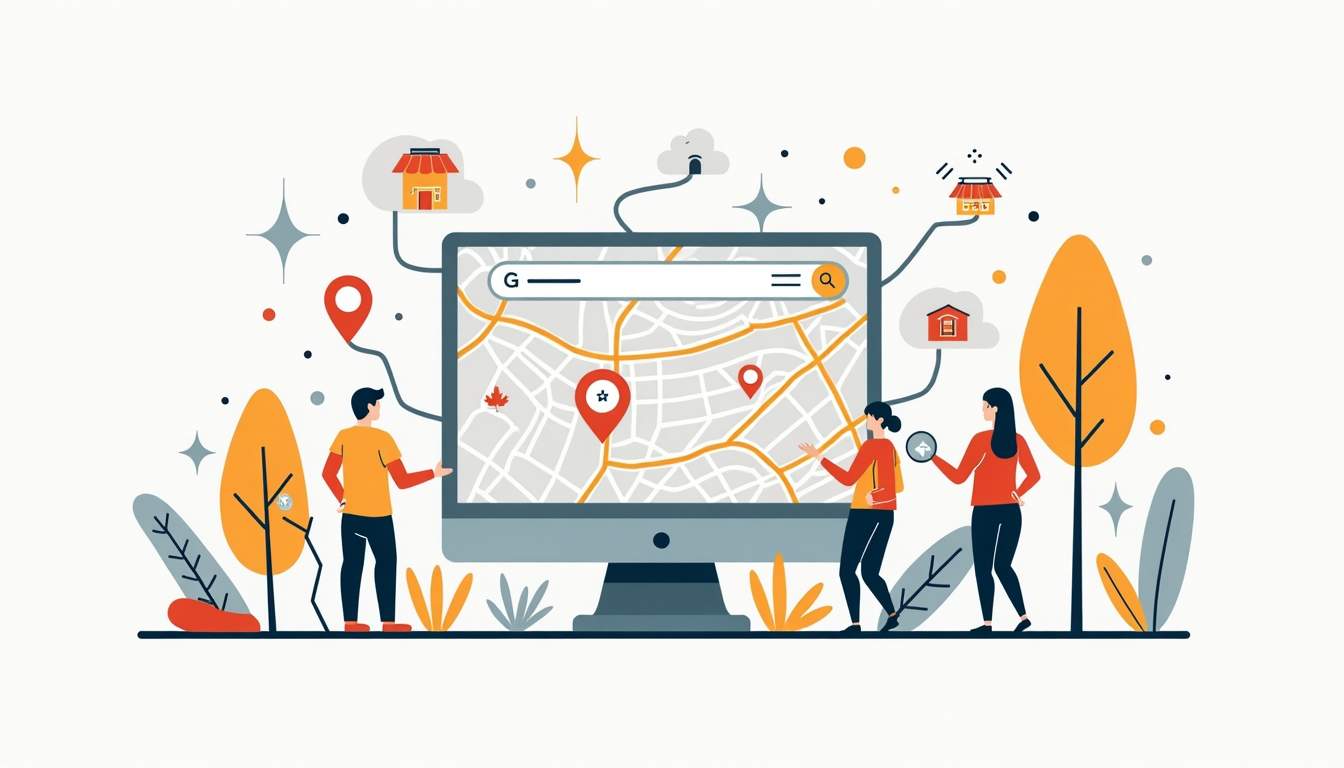
Many zero-click searches are location-based, especially when users look for nonprofits to support or volunteer with nearby. Optimizing for local search is crucial for nonprofits aiming to build strong community ties and increase local engagement.
Claim and Optimize Your Google Business Profile
Your Google Business Profile is often the first thing people see when searching for your nonprofit locally. Ensuring your profile is claimed and fully optimized is essential. Include accurate contact information, hours of operation, photos, and regular updates about events or news.
Encourage satisfied donors and volunteers to leave positive reviews on your profile. Reviews not only enhance credibility but also improve your ranking in local search results.
Use Location-Specific Keywords
Incorporate local keywords naturally into your website content, blog posts, and meta descriptions. For example, instead of just “animal shelter,” use “animal shelter in Chicago” or “volunteer at a Boston food bank.” This helps search engines associate your nonprofit with specific geographic areas, increasing the chances of appearing in local zero-click features.
Create and Maintain a Comprehensive FAQ Section
Frequently Asked Questions (FAQ) sections serve a dual purpose: they improve user experience by providing quick answers and enhance SEO by targeting long-tail keywords often used in voice and zero-click searches.
Nonprofits should identify the most common questions potential supporters ask, such as “How can I volunteer?” or “Where does my donation go?” Then, provide clear, concise answers in a dedicated FAQ section on your website.
Regularly updating your FAQ ensures the information remains relevant and accurate, which is critical for maintaining trust and improving your chances of being featured in “People Also Ask” boxes on Google.
Develop High-Quality, Intent-Focused Content
Content is still king when it comes to SEO, but the focus has shifted towards understanding and matching user intent. For nonprofits, this means creating content that directly answers the questions and needs of your audience.
Understand Your Audience’s Queries
Research common search queries related to your cause using tools like Google’s Keyword Planner or Answer the Public. This insight helps you tailor content that resonates with what people are actively seeking.
Provide Clear, Concise Answers
When crafting your content, use straightforward language and structure it to answer questions quickly. Bullet points, numbered lists, and short paragraphs help make information easy to scan, increasing the likelihood of being selected for featured snippets.
Adopt a Conversational Tone
With the rise of voice search, content that mimics natural speech patterns performs better in zero-click results. Write as if you are speaking directly to your audience, which also makes your nonprofit’s message more relatable and engaging.
Leverage Visual Content to Boost Engagement
Visual content such as images and videos not only enrich your website but also improve your chances of appearing in image packs and video previews on search results pages.
Use High-Quality, Relevant Visuals
Photos of your nonprofit’s events, impact stories, and team members create a stronger emotional connection with your audience. Ensure all visuals are clear, professional, and aligned with your brand identity.
Optimize Alt Text for Search
Search engines rely on alt text to understand images. Use descriptive, keyword-rich alt text that accurately describes the content and context of each image to improve search visibility.
Create Informative Videos
Videos that explain your mission, showcase success stories, or answer common questions can be powerful tools. Hosting these videos on platforms like YouTube and embedding them on your site can increase reach and engagement.
Monitor and Adapt to Emerging Search Trends
Search behavior is dynamic, and staying ahead requires continuous monitoring and adaptation. Nonprofits should regularly analyze search trends related to their cause and audience.

Using tools such as Google Trends and SEO analytics platforms helps identify new keywords and topics gaining traction. Updating your content strategy accordingly ensures your nonprofit remains relevant and visible in zero-click search results.
Conclusion: Embracing Zero-Click Search Optimization for Greater Impact
Zero-click searches are reshaping how information is consumed online. For nonprofits, embracing this shift is not just about maintaining visibility—it’s about enhancing how your mission reaches and resonates with your community.
By implementing structured data, optimizing for local search, developing comprehensive FAQs, creating intent-focused content, leveraging visual media, and staying attuned to search trends, nonprofits can harness the power of zero-click searches to amplify their impact.
As the digital landscape continues to evolve, those nonprofits that adapt proactively will be best positioned to engage supporters, increase donations, and further their causes effectively.
For more detailed guidance on implementing these strategies, explore resources such as DesignRush’s SEO trends on zero-click searches and PNMG’s tactics for zero-click optimization.
Ready to take your nonprofit’s digital presence to the next level with expert paid media management? BlueWing is here to guide you through the complexities of paid social media and search, including maximizing the Google Ad Grants program. Our dedicated team is committed to creating a sustainable growth engine for your organization, ensuring you stay ahead in the ever-evolving world of zero-click searches. With weekly updates and a proven track record, we’re poised to help you amplify your impact. Contact us today and let’s build a brighter future together.


