

Food insecurity remains a pressing challenge in the United States, affecting millions of households and communities nationwide. Despite advances in food assistance programs and community initiatives, recent data reveals an unsettling increase in the number of families struggling to access sufficient, nutritious food. Addressing this issue requires not only awareness but also innovative, community-driven campaigns that transform how food insecurity is tackled at the grassroots level.
The Current Landscape of Food Insecurity in the U.S.
In 2023, approximately 13.5% of U.S. households—equating to around 18 million families—experienced food insecurity, marking a rise from the previous year’s 12.8%. This increase signals a growing need for effective interventions and highlights the fragility of food access for many Americans. Particularly alarming is the impact on children, with nearly 14 million young people—about one in five—living in households where consistent access to adequate food is uncertain. This statistic underscores the urgency of addressing hunger among the nation’s youth, who are especially vulnerable to the long-term consequences of food insecurity. Studies have shown that children facing food insecurity are at a higher risk for developmental issues, academic struggles, and chronic health conditions, which can perpetuate a cycle of poverty and disadvantage throughout their lives.
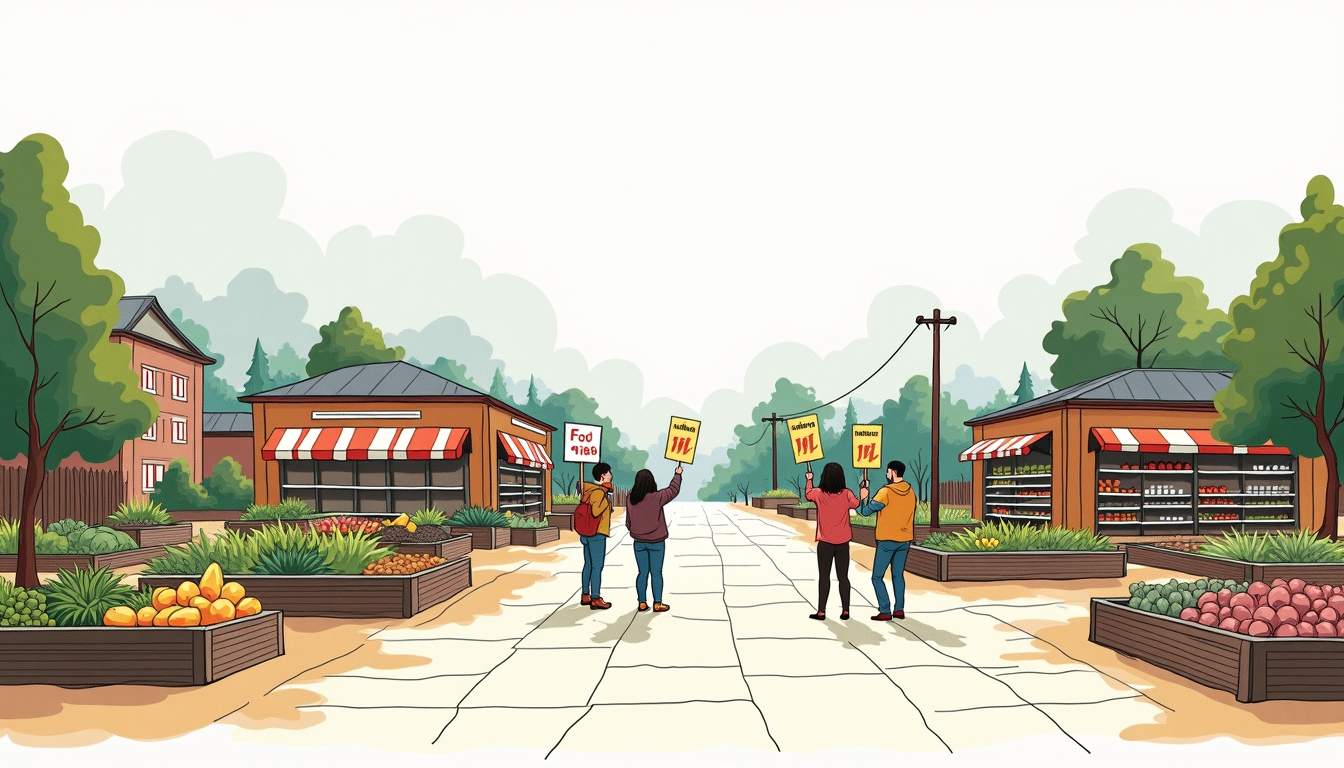
Food insecurity does not affect all populations equally. Black and Latino households face disproportionately higher rates, with 23.3% and 21.9% respectively, compared to just 9.9% among White non-Latino households. These disparities reflect systemic inequalities that extend beyond food access, encompassing economic, social, and geographic factors. Rural communities also bear a heavier burden, with 85% of counties experiencing the highest food insecurity rates located in rural areas. This geographic divide complicates efforts to deliver assistance and calls for tailored solutions that consider the unique challenges faced by these populations. For instance, rural areas often lack the infrastructure for food distribution, making it difficult for residents to access fresh produce and nutritious options, leading to a reliance on less healthy, processed foods that are more readily available.
Challenges from Federal Funding Cuts
Compounding the problem, recent proposals to reduce funding for critical food assistance programs such as the Supplemental Nutrition Assistance Program (SNAP) threaten to exacerbate food insecurity. Cuts to SNAP could shift financial burdens to states and reduce the availability of benefits for millions of Americans who rely on this vital support. Food banks and hunger relief organizations have already felt the strain; for example, the Campaign Against Hunger in New York has reported significant funding losses, which have led to scaled-back food distributions and limited nutritional options for those in need. The ripple effects of these cuts extend beyond immediate hunger, as families may face increased stress and anxiety, further impacting their mental health and overall well-being.
These funding challenges highlight the importance of advocacy and policy engagement as part of any comprehensive strategy to combat food insecurity. Without sustained federal support, many communities risk losing essential resources that help bridge the gap between hunger and food security. Grassroots movements and local organizations are stepping up to fill the void, often relying on volunteers and donations to keep their operations running. However, these efforts are not a substitute for systemic change; they underscore the need for a robust, coordinated response that addresses the root causes of food insecurity while ensuring that all individuals have access to the nourishment they need to thrive. Community gardens, urban farming initiatives, and nutrition education programs are examples of innovative approaches that can empower individuals and foster resilience in the face of food insecurity.
Innovative Campaigns Making a Difference
Despite these hurdles, numerous campaigns and initiatives across the country are demonstrating how effective food insecurity interventions can transform communities. These efforts often combine grassroots engagement, technology, and policy advocacy to create sustainable, impactful change.
Community Gardens: Growing Food and Hope
Community gardens have emerged as powerful tools for promoting food justice and sustainability. Universities such as Temple and Cleveland State have pioneered garden projects that not only provide fresh produce but also engage students and local residents in addressing food insecurity directly. These gardens serve as educational hubs where participants learn about nutrition, sustainable agriculture, and the importance of local food systems.
Beyond providing immediate food relief, community gardens foster a sense of ownership and empowerment. They encourage collaboration among neighbors and create green spaces that enhance community well-being. By cultivating food locally, these gardens reduce reliance on distant supply chains and contribute to environmental resilience. Additionally, many community gardens host workshops and events that bring people together, fostering social connections and building a stronger community identity. These gatherings often feature cooking demonstrations, seed swaps, and seasonal festivals, further enriching the local culture and encouraging a shared commitment to sustainability.
Harnessing Technology for Food Assistance
Technology is playing an increasingly vital role in modern food insecurity campaigns. Some food banks are exploring blockchain technology to improve the management of food donations, enabling real-time inventory tracking and ensuring compliance with food safety standards. This innovation enhances transparency and efficiency across the supply chain, reducing waste and ensuring that food reaches those who need it most.
Integrating technology also allows organizations to better coordinate resources, streamline volunteer efforts, and respond swiftly to changing community needs. As digital tools become more accessible, they offer promising avenues for scaling up food assistance programs and improving their overall impact. For instance, mobile apps are being developed to connect surplus food from restaurants and grocery stores with local food pantries, ensuring that excess food is redistributed rather than wasted. This not only helps alleviate hunger but also promotes a culture of sharing and community support, reinforcing the idea that everyone has a role to play in combating food insecurity.
Advocacy and Policy Change: Building a Foundation for Equity
Effective campaigns recognize that lasting solutions require systemic change. Organizations like the Center for American Progress advocate for tailored benefits within programs such as SNAP and the Women, Infants, and Children (WIC) program, emphasizing equity to ensure all communities have access to affordable, nutritious food. Their work highlights the need for policies that address the root causes of food insecurity, including poverty, discrimination, and inadequate social safety nets.
By engaging policymakers and the public, advocacy groups help secure funding, influence legislation, and raise awareness about the complexities of hunger. This multi-pronged approach ensures that food insecurity is addressed not just as a symptom but as a consequence of broader social and economic challenges. Furthermore, grassroots movements are increasingly utilizing social media platforms to amplify their voices and mobilize support, creating a digital landscape where stories of struggle and resilience can inspire action. These campaigns often highlight personal narratives that humanize the issue of food insecurity, fostering empathy and encouraging community involvement in advocacy efforts.
Key Strategies for Effective Food Insecurity Campaigns
Drawing on successful examples and research, several strategies stand out as essential for campaigns aiming to make a meaningful impact on food insecurity.

Community Engagement: Listening and Collaborating
One of the most critical components of effective campaigns is involving local residents in identifying needs and crafting solutions. When communities participate actively, initiatives are more likely to be culturally appropriate, widely accepted, and sustainable over time. Engagement can take many forms—from community meetings and surveys to participatory planning and volunteer opportunities.
This approach builds trust and ensures that resources are directed where they are most needed. It also empowers individuals to take ownership of their food systems, fostering resilience and self-sufficiency.
Policy Advocacy: Securing Support and Resources
Campaigns that combine grassroots efforts with policy advocacy tend to achieve broader, more lasting change. Collaborating with lawmakers and government agencies helps secure necessary funding and support for food assistance programs. Advocates can highlight the long-term economic and social benefits of addressing food insecurity, such as improved health outcomes, reduced healthcare costs, and stronger communities.
Effective advocacy also involves educating the public and media to build widespread support for policies that prioritize food security and equity.
Sustainable Practices: Building Resilience
Promoting sustainable food systems is essential for reducing dependence on emergency food aid and creating long-term solutions. Initiatives like community gardens, local food sourcing, and education about nutrition and food waste contribute to building resilience within communities. These practices not only improve access to healthy food but also support environmental stewardship and economic development.
By fostering local food production and sustainable consumption, campaigns help communities withstand economic fluctuations and supply chain disruptions that can exacerbate food insecurity.
Looking Ahead: The Path to Ending Food Insecurity
Addressing food insecurity is a complex challenge that demands coordinated action across multiple sectors. The rise in food insecurity rates, especially among vulnerable populations, calls for renewed commitment and innovative approaches. Campaigns that combine community engagement, technological innovation, policy advocacy, and sustainable practices offer a roadmap for transformative change.
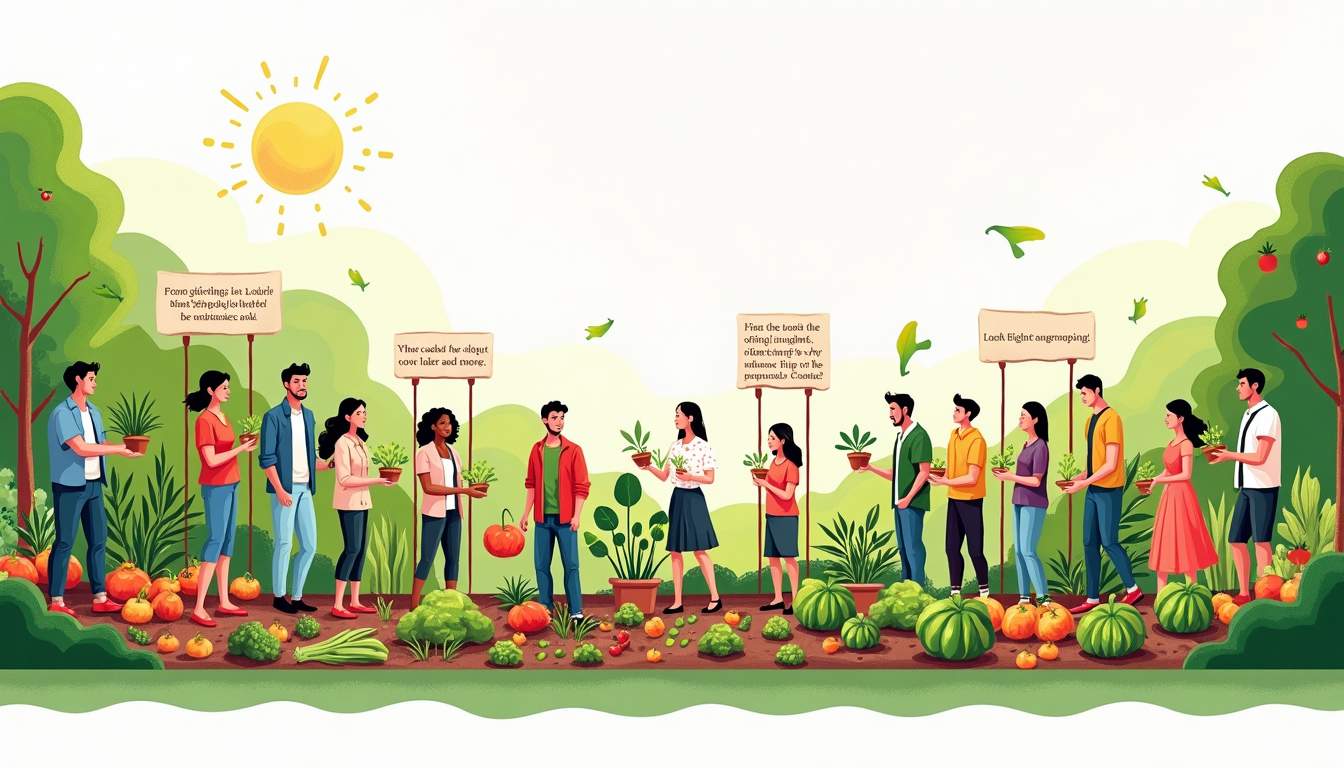
As awareness grows, so does the potential to mobilize resources and build partnerships that empower communities. By learning from successful initiatives and adapting strategies to local contexts, it is possible to create food systems that are equitable, resilient, and capable of nourishing all Americans.
For those interested in diving deeper into the data and ongoing efforts, resources such as the USDA Economic Research Service and Feeding America’s 2023 Food Security Report provide comprehensive insights. Additionally, organizations like the Center for American Progress offer valuable perspectives on policy solutions.
Ultimately, raising awareness through effective campaigns is not just about highlighting a problem—it’s about inspiring action that transforms communities and ensures that no one has to face hunger alone.
As we look to the future and strive to end food insecurity, the role of effective digital campaigns cannot be overstated. If your nonprofit is ready to elevate its impact and engage communities like never before, BlueWing is here to help. Specializing in paid media management, we empower nonprofits to harness the power of social media and search platforms, including the Google Ad Grants program, to drive awareness and action. With BlueWing’s expertise and commitment to weekly updates, you’ll have a partner dedicated to building a sustainable growth engine for your cause. Contact us today to learn how we can amplify your efforts to combat food insecurity and transform communities together.


