


Maximizing Impact: Influencer Partnership Strategies for Nonprofit Marketing

In the evolving landscape of nonprofit marketing, influencer partnerships have emerged as a powerful tool to amplify missions, engage communities, and drive meaningful action. As we move further into 2025, nonprofits are discovering innovative ways to collaborate with influencers—not just to boost visibility, but to foster authentic connections that translate into sustained support. This article explores effective strategies for maximizing the impact of influencer partnerships within nonprofit marketing, grounded in the latest trends and insights.
Why Influencer Partnerships Matter for Nonprofits
Influencer marketing is no longer the exclusive domain of commercial brands. Nonprofits are leveraging the credibility and reach of influencers to tell compelling stories that resonate deeply with target audiences. Unlike traditional advertising, influencer partnerships offer a more personal touch, allowing nonprofits to connect on an emotional level with supporters. This emotional connection is crucial, especially for causes that rely heavily on community support and individual contributions. By sharing personal narratives and experiences, influencers can humanize the mission of a nonprofit, making it more relatable and urgent in the eyes of potential donors.
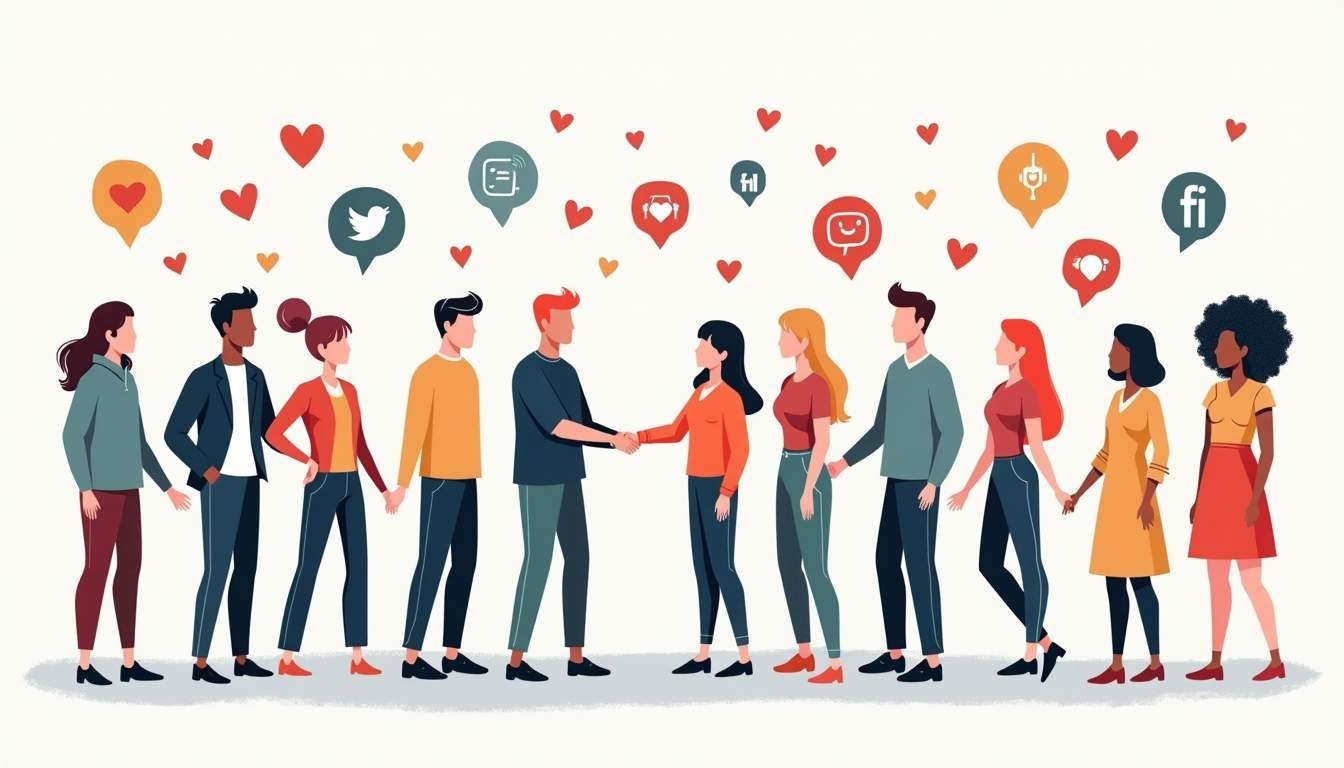
In particular, influencers can help nonprofits break through the noise by delivering tailored messages to niche communities. This targeted approach increases the likelihood of engagement, donations, and volunteerism. Moreover, influencers often serve as trusted voices, lending authenticity to campaigns and fostering long-term relationships between organizations and their audiences. The ripple effect of these partnerships can be profound; as influencers share their involvement with a cause, their followers may feel inspired to take action, whether that means donating, volunteering, or simply spreading the word further. This grassroots mobilization can lead to a significant increase in awareness and support for the nonprofit’s mission.
Micro-Influencers: The New Power Players
One of the most significant shifts in influencer marketing for nonprofits is the rise of micro-influencers—those with follower counts between 10,000 and 100,000. These individuals typically boast higher engagement rates and more intimate connections with their audiences compared to mega-influencers or celebrities. Their followers often view them as peers rather than distant figures, which enhances the relatability of their endorsements. This connection can be particularly beneficial for nonprofits, as it fosters a sense of community and shared purpose among supporters.
Micro-influencers excel at reaching specific demographics and communities, which is invaluable for nonprofits aiming to tailor their messaging. Their authenticity and relatability make their endorsements feel genuine rather than transactional, a key factor in building trust. Partnering with micro-influencers can also be more cost-effective, allowing nonprofits to collaborate with multiple influencers to broaden reach without exceeding budgets. Furthermore, many micro-influencers are passionate about social causes, often aligning their personal values with the missions of the nonprofits they support. This shared commitment can lead to more passionate and impactful campaigns, as the influencers are likely to invest their time and creativity into promoting the cause. For nonprofits looking to embrace authenticity and targeted outreach, micro-influencers represent a strategic avenue worth exploring. Their ability to spark meaningful conversations and mobilize action aligns perfectly with nonprofit goals, creating a powerful synergy that can drive real change in communities.
Crafting Compelling Content: The Role of Short-Form Video
Storytelling remains at the heart of nonprofit marketing, and in 2025, short-form video content has become indispensable. Platforms like TikTok and Instagram Reels offer nonprofits dynamic channels to share quick, impactful stories that capture attention within seconds.
Short videos are particularly effective for engaging younger audiences who favor bite-sized, visually engaging content. Nonprofits can use this format to highlight success stories, showcase behind-the-scenes moments, or issue urgent calls to action. The immediacy and shareability of short-form videos help campaigns gain momentum rapidly.
Importantly, these videos don’t need to be professionally produced. In fact, audiences increasingly prefer raw, authentic footage captured on smartphones, which lends credibility and emotional resonance. This trend aligns with the broader shift toward prioritizing authenticity over polished perfection in nonprofit communications.
Authenticity Over Perfection
Audiences today are savvy and can easily detect insincerity. Nonprofits that embrace genuine, unfiltered content often outperform those relying on overly polished productions. Authenticity fosters trust, a crucial currency for nonprofits seeking long-term support.
Sharing candid moments from the field, testimonials from beneficiaries, or spontaneous reflections from staff and volunteers humanizes the organization. This transparency invites supporters into the nonprofit’s world, creating a sense of shared purpose and community.
Moreover, the emotional connection forged through authentic storytelling can lead to increased engagement and donations. When viewers see real people sharing their experiences, they are more likely to feel compelled to act, whether that means donating their time or resources. Nonprofits can further enhance this connection by incorporating interactive elements, such as polls or challenges, into their short-form videos, encouraging viewers to participate and share their own stories. This not only amplifies the reach of the campaign but also fosters a vibrant community of advocates who feel personally invested in the cause.
Additionally, the versatility of short-form videos allows nonprofits to experiment with different styles and formats, from animated graphics to live Q&A sessions. This experimentation can reveal what resonates most with their audience, enabling organizations to refine their messaging and approach. By continuously adapting their content strategy based on viewer feedback and engagement metrics, nonprofits can ensure that their storytelling remains relevant and impactful in an ever-evolving digital landscape.
Building Sustainable Partnerships for Lasting Impact
While one-off influencer campaigns can generate quick bursts of attention, long-term partnerships yield deeper benefits. Sustained collaborations enable influencers to become true ambassadors for the nonprofit’s mission, embedding the cause into their personal brand and audience relationships. This deeper connection often translates into a more engaged audience, who are not just passive observers but active participants in the cause. As influencers share their journey and experiences related to the nonprofit, they cultivate a community of supporters who feel personally invested in the mission, leading to increased donations, volunteer sign-ups, and advocacy.
Long-term influencer partnerships also allow for consistent messaging, which reinforces brand identity and builds cumulative trust over time. These ongoing relationships provide opportunities for co-creating content, engaging in community-led campaigns, and responding flexibly to emerging needs or events. By involving influencers in strategic planning and campaign development, nonprofits can ensure that the messaging aligns with both the organization’s goals and the influencers’ authentic voices, creating a harmonious blend that resonates with audiences. This synergy not only amplifies the reach of the campaigns but also fosters a sense of ownership among influencers, motivating them to invest more deeply in the cause.
Empowering Employee Advocacy
Another underutilized but powerful strategy is encouraging nonprofit employees to become advocates. Staff members sharing their personal experiences and behind-the-scenes stories on social media platforms like LinkedIn, Instagram, and TikTok can significantly extend the organization’s reach. By showcasing the day-to-day realities of working in the nonprofit sector, employees can highlight the challenges and triumphs that come with the territory, making the mission more relatable and compelling to a broader audience. This grassroots storytelling approach not only humanizes the organization but also invites potential supporters to see the real impact of their contributions.
Employee advocacy adds a layer of authenticity that external influencers might not replicate. Personal narratives from those working directly in the mission space often resonate strongly with audiences, fostering empathy and connection. Moreover, when employees share their insights and experiences, they can spark conversations that encourage others to engage with the nonprofit in meaningful ways. This can lead to increased volunteerism, partnerships, and even innovative ideas for future initiatives. By empowering employees to be vocal advocates, nonprofits can tap into a rich source of passion and expertise that can elevate their outreach efforts and deepen community ties.
Leveraging Technology: AI and Data-Driven Personalization
Artificial intelligence (AI) is transforming nonprofit marketing by enabling more personalized and efficient communication. AI tools help segment donor databases, analyze supporter behavior, and automate tailored messaging, ensuring that communications are relevant and timely.
For example, AI can identify which supporters are most likely to engage with certain campaigns or respond to specific calls to action. This insight allows nonprofits to optimize outreach efforts, improving conversion rates and donor retention.
Data analytics also play a critical role in refining influencer strategies. Tracking metrics such as engagement rates, click-throughs, and donation conversions provides actionable feedback to adjust campaigns in real time.
Mobile-First Fundraising
With over half of donors using mobile devices to give, nonprofits must prioritize mobile-friendly donation experiences. Streamlined, responsive donation pages reduce friction and capitalize on impulse giving, especially when promoted through influencer channels.
Ensuring that all influencer-driven content and calls to action are optimized for mobile devices is essential for maximizing fundraising outcomes. This approach also aligns with the digital habits of younger, socially conscious audiences who predominantly access content via smartphones.
Fostering Community-Led Campaigns and User-Generated Content
Moving beyond top-down appeals, nonprofits are increasingly embracing community-led campaigns that empower supporters to take ownership of fundraising and awareness efforts. Influencers can play a pivotal role in mobilizing their followers to initiate grassroots actions, creating a ripple effect of engagement.
User-generated content (UGC) further strengthens this approach by showcasing real stories and experiences from supporters. Highlighting UGC not only builds authenticity but also fosters a sense of belonging and shared mission among the community.
Encouraging supporters to share their journeys, challenges, and successes related to the cause creates a dynamic, interactive narrative that resonates more deeply than traditional marketing materials.
Conclusion: Integrating Strategies for Maximum Impact
Nonprofit organizations aiming to maximize their marketing impact through influencer partnerships in 2025 must adopt a multifaceted approach. Embracing micro-influencers, leveraging short-form video, and prioritizing authenticity are foundational steps toward building genuine connections.
Long-term collaborations, employee advocacy, and community-led initiatives deepen engagement and foster loyalty. Meanwhile, harnessing AI-driven personalization, data analytics, and mobile-first fundraising ensures that outreach is efficient and effective.
By weaving these strategies together, nonprofits can create powerful influencer partnerships that not only raise awareness but also inspire action and sustain support for their missions well into the future.
For nonprofits interested in exploring these trends further, resources such as Hook PR’s insights on authenticity and SocialLink’s 2025 marketing trends provide valuable guidance on navigating this dynamic landscape.
Ready to elevate your nonprofit’s digital presence and maximize the impact of your marketing efforts? BlueWing is here to guide you through the ever-changing landscape of paid media management. Specializing in leveraging the power of paid social media, search, and the Google Ad Grants program, we’re dedicated to building a sustainable growth engine for your organization. With our expertise and commitment to weekly updates, you’ll always be at the forefront of digital strategy. Contact us today to learn how we can help amplify your impact and outperform industry benchmarks together.