

In today’s socially conscious business environment, corporate employee fundraising campaigns are more than just goodwill gestures—they are strategic initiatives that can significantly boost employee engagement, enhance corporate social responsibility (CSR), and create meaningful community impact. However, designing campaigns that truly resonate and deliver results requires thoughtful planning, innovative approaches, and a deep understanding of what motivates employees to give.
This article explores proven strategies and emerging trends that can help organizations maximize the impact of their employee fundraising efforts, ensuring campaigns are effective, inclusive, and sustainable.
Transitioning to Year-Round Giving: Beyond Annual Campaigns
Traditional employee fundraising efforts often center around one-time annual campaigns, such as holiday drives or giving weeks. While these are valuable, the growing trend among leading corporations is to adopt year-round giving programs. These continuous initiatives, particularly employee matching gift programs, foster sustained engagement and reinforce a culture of philanthropy.
According to recent data, an impressive 94% of major U.S. corporations plan to maintain or even expand their philanthropic efforts in the coming years, with a strong focus on employee-driven initiatives like matching gifts. This shift reflects a broader corporate commitment to social responsibility and acknowledges that giving is most impactful when it is consistent rather than episodic.
Year-round programs allow employees to contribute at their own pace, making philanthropy a natural part of their work-life balance. Moreover, continuous engagement helps companies build stronger relationships with nonprofits and communities, creating ongoing positive outcomes rather than short bursts of activity. This approach not only benefits the organizations receiving support but also enhances employee satisfaction and retention, as workers increasingly seek employers whose values align with their own.
Furthermore, year-round giving initiatives can be tailored to reflect the diverse interests of employees. For instance, companies can offer a variety of causes to support, from environmental sustainability to education and health care. By allowing employees to choose where their contributions go, organizations empower their workforce and cultivate a deeper connection to the philanthropic efforts they are part of. This personalization can lead to increased enthusiasm and participation, as employees feel their contributions are meaningful and aligned with their personal values.
Why Year-Round Giving Works
By moving beyond a single campaign window, companies can:
- Increase participation rates: Employees are more likely to give when they have multiple opportunities throughout the year.
- Enhance matching gift utilization: Continuous programs encourage employees to take advantage of matching gifts whenever they donate.
- Build momentum: Regular giving keeps social impact top of mind and integrates philanthropy into corporate culture.
Boosting Awareness and Participation Through Proactive Communication
One of the biggest challenges in employee fundraising is ensuring that employees know about the opportunities available to them. Despite many companies offering matching gift programs, studies show that 78% of donors remain unaware of their company’s matching gift options. This lack of awareness significantly limits the potential impact of these programs.
To overcome this, companies must take a proactive approach to communication. This includes embedding information about matching gifts and other giving opportunities into employee onboarding, internal newsletters, and donation platforms. Training managers and team leaders to champion these programs can also amplify reach and encourage peer-to-peer promotion. Regular workshops and informational sessions can further enhance understanding, allowing employees to ask questions and engage directly with the initiatives. By fostering an environment where giving back is part of the company culture, organizations can create a sense of community and shared purpose.
Leveraging Technology to Inform and Engage
Integrating matching gift software into donation processes can automate the identification of eligible gifts and streamline the matching request process. This not only simplifies the experience for employees but also increases the likelihood that matches are claimed. Furthermore, utilizing mobile apps and user-friendly online platforms can make the process even more accessible, allowing employees to manage their contributions and track their impact on the go.
Additionally, internal campaigns that highlight success stories and real-world impact can motivate employees to participate. For example, sharing how a recent campaign raised thousands of dollars to support local families can create a tangible connection between giving and positive outcomes. Incorporating visual elements, such as infographics or videos, can further enhance these stories, making them more relatable and inspiring. Celebrating milestones, such as reaching fundraising goals, through company-wide announcements or social media can also invigorate enthusiasm and encourage ongoing participation. By continuously showcasing the difference their contributions make, employees are more likely to feel invested in the cause, driving a cycle of engagement and support.
Enhancing Generosity: Making Matching Gift Programs More Attractive
Increasing the generosity of matching gift programs is a proven way to boost employee participation. Companies that offer higher match ratios, lower minimum donation thresholds, and higher maximum match limits see significantly greater engagement.
For instance, programs with maximum match amounts exceeding $10,000 can achieve employee engagement rates of up to 40%, a substantial increase compared to more modest programs. This generosity signals to employees that their company values philanthropy and is willing to invest meaningfully in social causes.
Key Elements of Effective Matching Gift Programs
- High match ratios: Offering a 1:1 or higher match encourages employees to give more.
- Low minimum donation requirements: Making matches accessible to employees at all giving levels broadens participation.
- Generous maximum match limits: Higher caps motivate larger donations and demonstrate corporate commitment.
By thoughtfully structuring these programs, companies can create a win-win scenario where employees feel empowered to give, and nonprofits receive amplified support.
Driving Impact with Data-Driven Fundraising Strategies
Data is transforming the landscape of employee fundraising by enabling organizations to better understand donor behavior and tailor campaigns accordingly. Implementing data-driven strategies allows companies to identify loyal donors, track giving patterns, and predict future contributions.

Research indicates that 90% of donors are more likely to give to nonprofits that effectively use data to personalize engagement. This insight applies equally to corporate fundraising, where personalized communications and targeted appeals can significantly increase participation and retention.
How to Harness Data Effectively
Organizations can leverage data analytics to segment employees based on past giving, interests, and engagement levels. This segmentation enables the creation of customized campaigns that resonate with different groups, such as younger employees, long-term staff, or members of specific Employee Resource Groups (ERGs).
Moreover, tracking campaign performance in real time allows companies to adjust tactics quickly, optimizing messaging and incentives to maximize results.
Engaging Employees Through ERGs and Gamification
Employee Resource Groups (ERGs) are powerful allies in creating inclusive and meaningful fundraising campaigns. These groups, which bring together employees with shared identities or interests, can recommend nonprofits aligned with their causes and help tailor campaigns to diverse employee populations.
Involving ERGs ensures that giving initiatives resonate on a personal level and reflect the values of the workforce. For example, an ERG focused on environmental issues might champion a campaign supporting local conservation efforts, while a multicultural ERG could highlight nonprofits addressing social justice.
Gamification: Making Giving Fun and Competitive
Incorporating gamification elements into fundraising campaigns can significantly boost employee participation and morale. Setting clear goals, offering incentives such as prizes or recognition, and fostering friendly competition between teams or departments create an engaging atmosphere that motivates giving.
Gamified campaigns encourage collaboration and camaraderie, turning philanthropy into a shared experience rather than a solitary act. This approach not only increases donations but also strengthens workplace culture.
Leveraging Digital and Mobile Platforms for Seamless Giving
As digital technology continues to evolve, so do employee expectations for convenient giving options. Mobile-friendly donation platforms that support payment methods like Apple Pay and Google Pay make it easier than ever for employees to contribute quickly and securely.
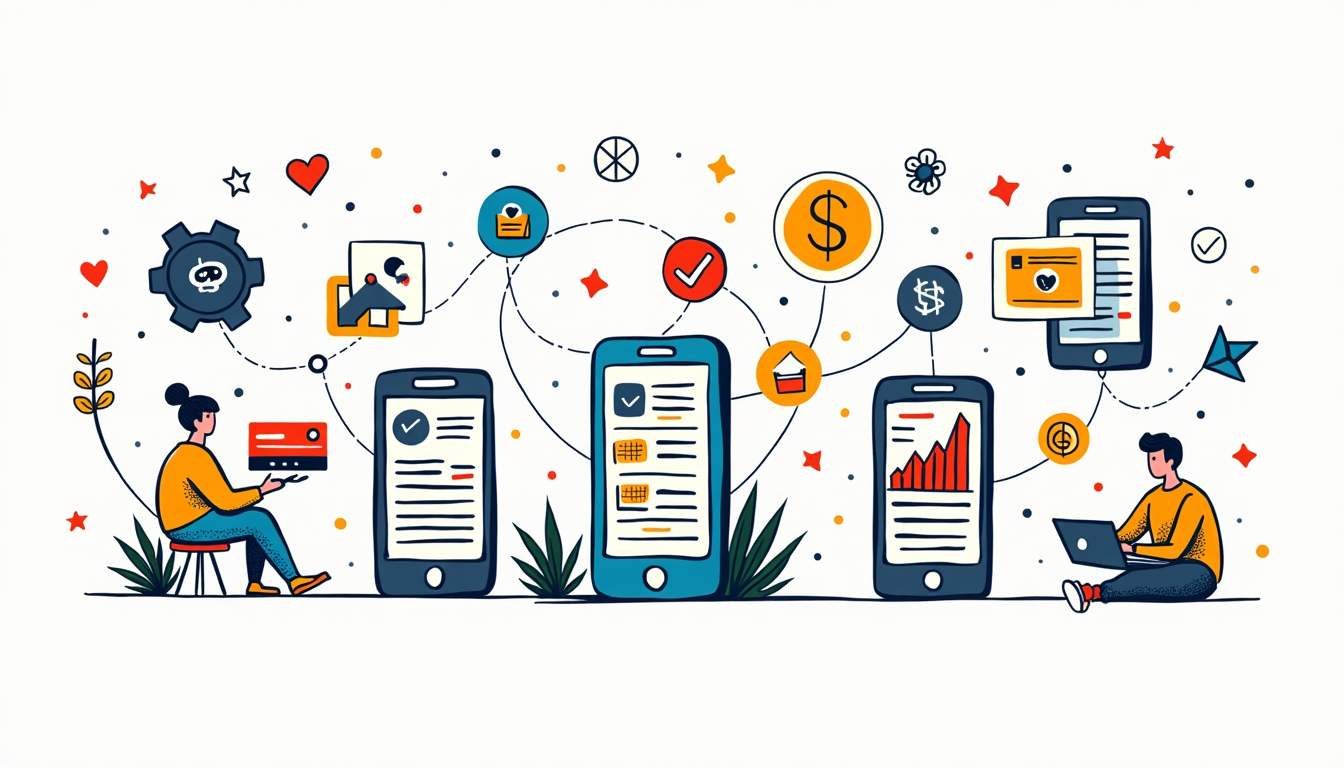
Providing seamless online donation experiences reduces friction and encourages spontaneous giving. Companies that invest in modern fundraising technology position themselves to capture the generosity of tech-savvy employees and adapt to changing giving behaviors.
Expanding Reach with Hybrid and Virtual Events
Hybrid fundraising events that combine in-person and virtual participation offer flexibility and broaden engagement. These events can include virtual auctions, online challenges, and live-streamed ceremonies, allowing employees from different locations and schedules to join in.
Such hybrid models have proven especially effective in recent years, enabling companies to maintain momentum and inclusivity regardless of physical constraints.
Communicating Impact: Showing Employees the Difference They Make
One of the most motivating factors for employee giving is understanding the real-world impact of their contributions. Sharing success stories and concrete outcomes helps employees see how their donations translate into positive change.
For example, a company might report, “Together, we raised $12,000 to feed over 2,400 families in our community,” illustrating the tangible benefits of collective effort. Regular updates and testimonials from beneficiaries can deepen emotional connections and inspire ongoing participation.
Ensuring Cultural Sensitivity and Inclusivity in Fundraising
Respecting and acknowledging the diverse cultural backgrounds of employees is essential for building trust and maximizing engagement in fundraising campaigns. Culturally sensitive practices involve recognizing unique values, traditions, and communication preferences.

By tailoring campaigns to be inclusive and respectful, companies demonstrate genuine commitment to their workforce’s diversity. This approach fosters stronger relationships and encourages broader participation across all employee groups.
Conclusion: Building a Culture of Generosity That Lasts
Corporate employee fundraising campaigns have the potential to create profound social impact while enriching workplace culture. To maximize this potential, companies should embrace year-round giving, proactively promote matching gift programs, and enhance generosity to motivate participation.
Leveraging data-driven strategies, engaging ERGs, incorporating gamification, and utilizing modern digital platforms further amplify effectiveness. Most importantly, communicating the tangible impact of employee contributions and ensuring cultural sensitivity fosters a genuine culture of generosity.
By integrating these best practices, organizations can design fundraising campaigns that not only raise funds but also inspire employees, strengthen communities, and uphold corporate values in meaningful ways.
For more insights on corporate philanthropy trends and effective employee giving strategies, visit Double the Donation’s Corporate Philanthropy Trends and Growett’s Fundraising Trends for 2025.
Ready to take your nonprofit’s digital presence to the next level and maximize the impact of your fundraising efforts? BlueWing is here to help. As a specialized paid media management agency, we understand the unique challenges and opportunities that nonprofits face online. Let us help you harness the power of paid social media and search, including the Google Ad Grants program, to build a sustainable growth engine for your organization. With our expertise and weekly updates, you’ll always be in the know. Contact us today to outperform industry benchmarks and amplify your impact.


