

In today’s competitive nonprofit landscape, understanding and optimizing the donor journey is more crucial than ever. Donor journey mapping is a strategic approach that helps nonprofits visualize and enhance every interaction a supporter has with their organization—from initial awareness to long-term stewardship. When done well, it not only boosts donor engagement and retention but also drives sustainable fundraising success.
This comprehensive guide explores the essential stages of the donor journey, practical strategies for personalization, and the latest trends nonprofits should embrace in 2025 to build meaningful, lasting relationships with their donors.
Understanding the Donor Journey Stages
The donor journey is a multi-stage process that captures the evolving relationship between a nonprofit and its supporters. Mapping these stages allows organizations to identify key touchpoints and tailor communications that resonate at each phase. The core stages typically include:
- Awareness: Potential donors first learn about your organization through marketing, social media, events, or word-of-mouth.
- Consideration: Prospects evaluate your mission, programs, and impact to see if it aligns with their values.
- First Gift: The initial donation marks a critical milestone, transforming interest into tangible support.
- Stewardship & Upgrade: Ongoing engagement encourages repeat giving, increased donations, and deeper involvement.
By clearly defining these stages, nonprofits can craft targeted strategies that guide donors smoothly through the journey. For example, awareness efforts might focus on compelling storytelling and outreach, while stewardship emphasizes personalized thank-you messages and impact reports. Each stage presents unique opportunities for engagement, and understanding these nuances can significantly enhance a donor’s experience.
In the awareness stage, utilizing various platforms can amplify your reach. Engaging content such as videos, infographics, and testimonials can effectively capture attention and spark curiosity. Additionally, leveraging partnerships with local businesses or influencers can broaden your audience and lend credibility to your organization. Once potential donors are aware, the consideration stage becomes critical. This is where nonprofits can shine by providing detailed information about their programs and showcasing success stories that resonate emotionally with prospects. Transparency about how donations are utilized fosters trust and encourages potential supporters to align their values with the nonprofit’s mission.
Segmenting Donors and Creating Personas
Not all donors are alike. Segmenting your donor base is essential for delivering relevant messages that speak directly to different groups’ motivations and behaviors. Common segmentation criteria include demographics, donation history, engagement frequency, and preferred communication channels. By analyzing these factors, organizations can identify distinct groups within their donor pool, allowing for more targeted and effective outreach strategies. For example, a nonprofit might find that younger donors are more likely to respond to social media campaigns, while older donors prefer traditional mailings. This understanding enables organizations to allocate resources more efficiently and maximize their fundraising efforts.

Developing donor personas—fictional profiles representing typical supporters—helps humanize these segments and tailor strategies effectively. For instance, a persona might be a young professional interested in environmental causes who prefers digital communication, while another could be a long-time major donor who values personalized phone calls. Creating detailed personas involves gathering qualitative data through surveys and interviews, which can reveal insights into donors’ values, interests, and preferences. This deeper understanding allows nonprofits to craft compelling narratives and campaigns that resonate with each persona, ultimately fostering a stronger connection between the organization and its supporters.
Personalization based on segmentation leads to higher engagement rates and donor satisfaction. According to DonorPerfect, nonprofits that personalize their outreach see stronger donor loyalty and increased lifetime value. Furthermore, leveraging data analytics can enhance these efforts by providing insights into donor behavior over time, allowing organizations to adjust their strategies as needed. For example, if a donor who typically gives during the holiday season starts to engage with content about a specific project, it may be an opportune moment to reach out with a tailored appeal related to that project. This proactive approach not only boosts the likelihood of donations but also reinforces the donor’s sense of involvement and investment in the cause.
Personalizing Communication for Greater Impact
Personalized communication is a proven driver of donor engagement. In 2024, monthly donors contributed 42% more annually than one-time givers, underscoring the value of nurturing ongoing relationships. Tailoring messages to donor interests, past giving, and preferred channels creates a sense of connection and appreciation. By understanding the motivations behind each donor’s contributions, organizations can craft messages that resonate on a personal level, fostering a sense of belonging and loyalty to the cause.
With 57% of nonprofit website visitors accessing sites via mobile devices, mobile-optimized communication is no longer optional. Ensuring emails, donation forms, and content display seamlessly on smartphones and tablets enhances the donor experience and reduces friction in the giving process. This shift towards mobile accessibility not only caters to the convenience of modern donors but also opens up new avenues for engagement, such as push notifications and SMS updates that can keep donors informed in real-time about the impact of their contributions.
Effective personalization might include sending birthday greetings, sharing impact stories related to a donor’s previous gifts, or offering exclusive invitations to events. These thoughtful touches build trust and encourage donors to deepen their commitment. Furthermore, leveraging data analytics can help organizations identify trends in donor behavior, allowing for even more targeted outreach. For instance, if a donor frequently supports specific projects, organizations can highlight similar initiatives in their communications, reinforcing the donor’s connection to the cause and demonstrating that their contributions are making a tangible difference.
Additionally, incorporating multimedia elements such as videos or infographics into personalized communications can significantly enhance engagement. Visual storytelling can evoke emotions and provide a clearer picture of the organization’s mission and achievements. For example, a short video featuring beneficiaries sharing their stories can create a powerful narrative that resonates with donors, making them feel integral to the mission. By diversifying communication methods and focusing on personalization, nonprofits can cultivate a more engaged and committed donor base, ultimately leading to sustained support and greater impact in their communities.
Implementing Omnichannel Engagement Strategies
Donors interact with nonprofits across multiple platforms—email, social media, direct mail, events, and websites. An omnichannel strategy ensures a consistent and cohesive experience regardless of the channel. This approach meets donors where they are and reinforces messaging through multiple touchpoints.
For example, a donor might first learn about a campaign on social media, receive an email with more details, get a personalized letter in the mail, and then be invited to a virtual event. Each interaction builds on the previous one, creating a seamless journey that feels natural and engaging.
Research from Solution Dynamics highlights that nonprofits using omnichannel strategies see higher donor retention rates and increased fundraising revenue.
Leveraging Data Analytics to Inform Strategy
Data analytics is a powerful tool for understanding donor behavior and optimizing engagement. By analyzing giving patterns, website interactions, and communication responses, nonprofits can identify what motivates donors and where they may be losing interest.
For instance, tracking which emails generate the most clicks or which social media posts lead to donations helps refine messaging and timing. Segmenting data by donor type or campaign effectiveness enables more precise targeting and resource allocation.
Nonprofits that embrace data-driven decision-making can proactively adjust their strategies to maximize impact and donor satisfaction, as noted by experts at HelpYouSponsor.
Optimizing for Mobile Donor Experiences
With the majority of donors engaging via mobile devices, optimizing donation forms and communications for mobile is essential. Mobile-friendly interfaces should be simple, fast-loading, and easy to navigate with touch controls.
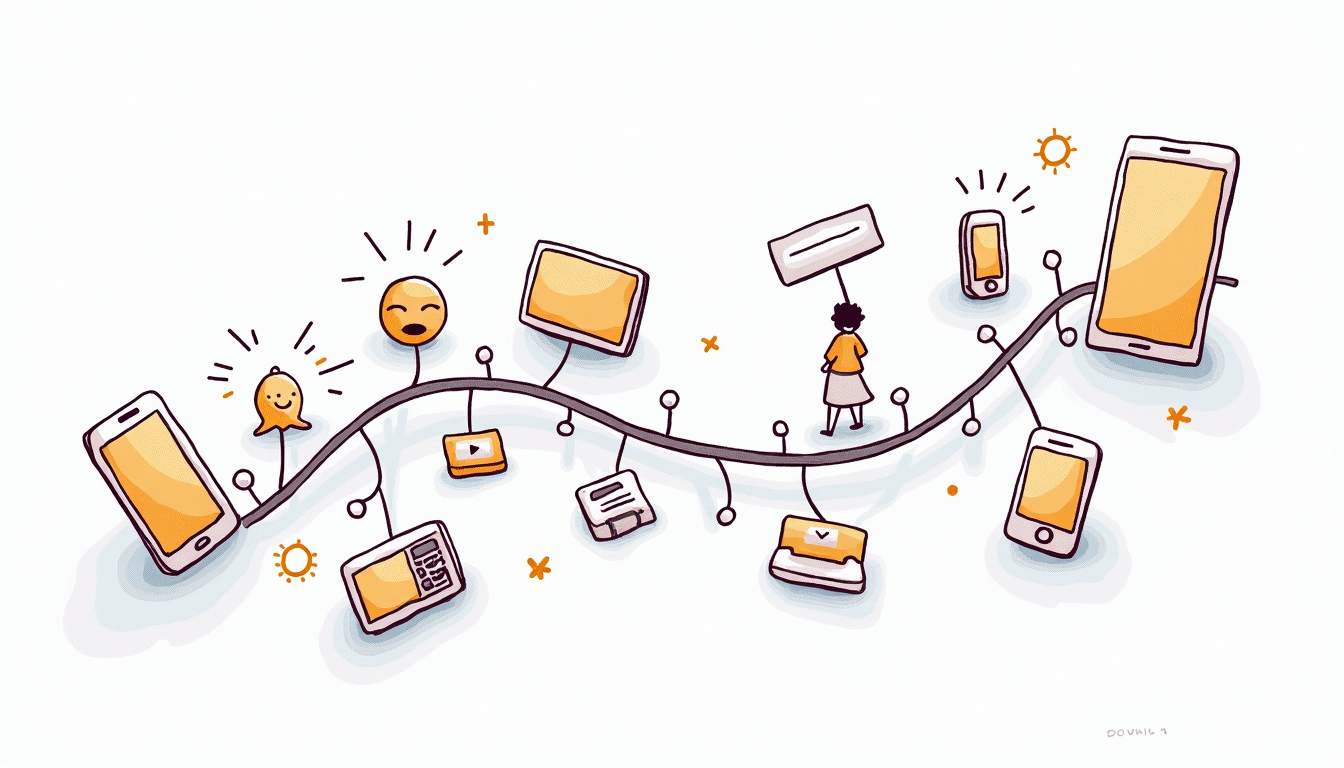
Complicated forms or slow pages can frustrate donors and lead to abandoned donations. Streamlining the giving process by minimizing required fields and offering popular payment options like digital wallets improves conversion rates.
Nonprofits should also ensure their websites are responsive and that emails render correctly on various screen sizes. This attention to mobile usability creates a frictionless experience that encourages donors to complete their gifts.
Crafting Compelling Digital Storytelling
Storytelling remains one of the most effective ways to connect donors emotionally to a cause. A study by the Nonprofit Leadership Alliance found that 91% of donors are more likely to give when inspired by a compelling story.
Digital storytelling can take many forms: videos showcasing beneficiaries, impact infographics, donor testimonials, or blog posts that highlight success stories. The key is to make the narrative authentic, relatable, and focused on the donor’s role in creating change.
Integrating storytelling throughout the donor journey—from awareness to stewardship—helps maintain interest and reinforces the value of each gift.
Incorporating AI and Automation
Artificial intelligence and automation are transforming how nonprofits manage donor journeys. AI tools can analyze donor data to predict giving patterns, segment audiences dynamically, and personalize communications at scale.
Automation streamlines routine tasks such as sending thank-you emails, reminders for recurring donations, and follow-up messages after events. This frees up staff time to focus on strategic engagement and relationship-building.
However, successful implementation requires careful planning, adequate resources, and ongoing evaluation to ensure these technologies enhance rather than hinder the donor experience. Nonprofits should start small, test, and scale thoughtfully.
Monitoring and Refining Your Donor Journey Strategy
Donor journey mapping is not a one-time exercise. Regularly reviewing performance metrics, gathering donor feedback, and staying abreast of fundraising trends are vital for continuous improvement.
Refining your strategy based on data and insights ensures that your nonprofit remains responsive to donor needs and expectations. This ongoing process helps maintain high engagement levels, reduces donor attrition, and maximizes lifetime value.
Nonprofits that commit to this cycle of evaluation and adaptation position themselves for long-term success and deeper supporter relationships.
Conclusion
Mastering nonprofit donor journey mapping is a transformative step toward building stronger, more engaged donor communities. By understanding the distinct stages of the donor journey, segmenting audiences, personalizing communication, and leveraging modern tools like data analytics and AI, nonprofits can create meaningful experiences that inspire generosity and loyalty.

Embracing omnichannel strategies, optimizing for mobile, and telling compelling stories further enrich the donor experience, making it easier for supporters to connect with your mission and contribute consistently.
As 2025 unfolds, nonprofits that invest in these best practices will not only enhance their fundraising outcomes but also foster lasting partnerships that drive real-world impact.
For more insights on donor journey mapping, visit Almabase’s comprehensive guide and explore additional resources at Solution Dynamics.
Ready to take your nonprofit’s digital presence to the next level? BlueWing is here to help you harness the power of paid social media and search to amplify your impact. Our expertise in managing paid media campaigns, including the Google Ad Grants program, ensures that your organization’s message reaches the right audience. With weekly updates and a commitment to outperforming industry benchmarks, we’re dedicated to building a sustainable growth engine for your cause. Contact us today to learn how we can support your donor journey mapping and help you create lasting relationships with your supporters.


