


Machine Learning Donor Retention: Strategies for Nonprofits

In the evolving landscape of nonprofit fundraising, retaining donors has become as crucial as acquiring new ones. With the rise of machine learning (ML) technologies in 2025, nonprofits are now equipped with powerful tools to deepen donor relationships, predict giving behaviors, and personalize engagement like never before. This article explores how machine learning is transforming donor retention strategies and offers actionable insights for nonprofits aiming to build lasting support.
Understanding Donor Behavior Through Predictive Analytics
One of the most impactful applications of machine learning in nonprofit fundraising is predictive analytics. By analyzing historical donor data—such as past giving patterns, event participation, and responses to communications—ML models can forecast future donor actions with impressive accuracy.
This capability allows organizations to identify donors who might be at risk of lapsing before they actually stop giving. For example, the American Red Cross implemented an AI-powered early warning system that successfully flagged 80% of at-risk donors, enabling timely and targeted outreach efforts to re-engage them. Such proactive interventions can significantly reduce donor churn and maintain a steady stream of support.
Beyond identifying risks, predictive analytics also helps nonprofits allocate resources more efficiently by focusing efforts on donors with the highest likelihood of continued or increased giving. By segmenting donors based on their predicted behaviors, organizations can tailor their communication strategies, ensuring that messages resonate with individual preferences and motivations. This personalized approach not only enhances the donor experience but also fosters a deeper emotional connection between the donor and the cause, ultimately leading to increased loyalty and higher donation amounts.
Moreover, the integration of predictive analytics can extend beyond just donor retention. It can also inform strategic planning for fundraising campaigns. By analyzing data trends, nonprofits can determine the optimal timing for campaigns, the most effective channels for outreach, and even the types of messaging that resonate best with different donor segments. For instance, if data shows that a particular demographic responds well to storytelling, organizations can craft narratives that highlight the impact of donations, thereby driving engagement and inspiring action. This data-driven approach empowers nonprofits to make informed decisions that maximize their fundraising potential and enhance their overall mission effectiveness.
Personalized Engagement: Tailoring Communication for Better Results
Machine learning excels at segmenting donors based on shared characteristics, such as donation frequency, preferred communication channels, and giving capacity. This segmentation enables nonprofits to craft personalized messaging that resonates with each group’s unique preferences and motivations.
Save the Children’s use of AI-driven donor segmentation is a prime example of this approach’s effectiveness. By tailoring their communication strategies, they achieved a 34% increase in donation frequency and a 28% boost in donor lifetime value. Personalized engagement not only encourages more frequent donations but also fosters emotional connections that deepen loyalty over time.
Moreover, personalized outreach can improve donor satisfaction by ensuring that supporters receive relevant updates and appeals, rather than generic mass communications that may feel impersonal or intrusive. This tailored approach not only enhances the donor experience but also aligns with the growing expectation among supporters for more meaningful interactions with the organizations they choose to support.
In addition, leveraging data analytics allows nonprofits to predict future giving behaviors and preferences. For instance, by analyzing past donation patterns, organizations can identify the optimal times to reach out to donors, increasing the likelihood of engagement. This proactive strategy not only maximizes the chances of receiving donations but also demonstrates to supporters that their contributions are valued and understood. Furthermore, integrating feedback loops—where donors can express their preferences regarding communication frequency and content—can further refine these personalized strategies, creating a dynamic relationship that evolves with the donor’s journey.
As technology continues to advance, the potential for hyper-personalization in donor engagement grows exponentially. Nonprofits can utilize advanced algorithms to analyze social media interactions, website behavior, and even sentiment analysis from donor communications. This wealth of information allows organizations to craft messages that not only speak to the donor’s past behavior but also anticipate their future interests and concerns. By doing so, nonprofits can create a more holistic and engaging experience that not only drives donations but also builds a community of passionate advocates who feel a genuine connection to the cause.
Optimizing Fundraising Campaigns with Data-Driven Insights
Fundraising campaigns are the lifeblood of nonprofit revenue, and machine learning offers valuable insights to optimize these efforts. By analyzing data from previous campaigns—including donor responses, timing, messaging, and channels—ML algorithms can recommend adjustments that enhance future performance.
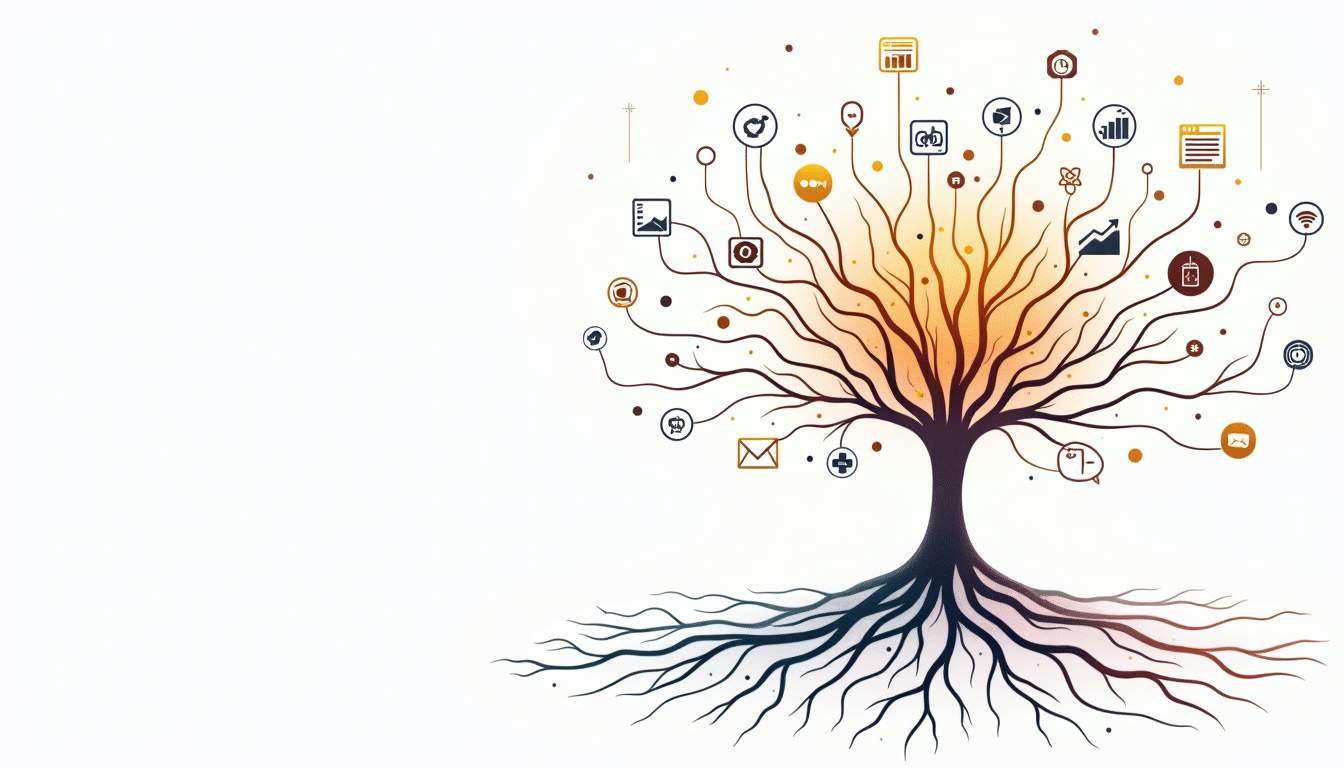
Nonprofits leveraging data-driven strategies have reported up to a fourfold increase in donor engagement and a 20% rise in revenue, underscoring the transformative potential of ML in campaign planning. These improvements stem from better targeting, refined messaging, and optimized timing, all informed by data rather than guesswork.
Campaign optimization also extends to budget allocation, helping organizations invest in the most effective channels and tactics to maximize return on investment. For instance, advanced analytics can identify which social media platforms yield the highest engagement rates for specific demographics, allowing nonprofits to tailor their outreach efforts accordingly. By understanding the preferences and behaviors of their donor base, organizations can craft personalized messages that resonate more deeply, fostering a stronger connection and encouraging repeat donations.
Moreover, the integration of predictive analytics can further enhance fundraising strategies by forecasting future trends based on historical data. This allows nonprofits to anticipate shifts in donor behavior or economic conditions, enabling them to adapt their campaigns proactively. For example, if data indicates a potential downturn in donations during certain months, organizations can ramp up their outreach efforts or introduce targeted campaigns to mitigate any anticipated shortfalls. By staying ahead of the curve, nonprofits can ensure a steady flow of support, regardless of external factors, ultimately leading to more sustainable funding and greater impact in their communities.
Automating Administrative Tasks to Focus on Mission-Driven Work
Behind the scenes, machine learning streamlines many administrative tasks that traditionally consume significant staff time. AI-powered chatbots, for example, can handle routine donor inquiries 24/7, freeing up staff to concentrate on strategic initiatives and direct donor engagement.
Mama Hope’s deployment of AI chatbots to manage frequently asked questions resulted in a 30% reduction in administrative workload, allowing their team to focus more on mission-critical activities. This automation not only improves operational efficiency but also enhances donor experience by providing instant responses and support.
Additionally, ML tools can automate data entry, donor record updates, and even initial donor qualification, reducing human error and accelerating workflows.
Enhancing Donor Lifetime Value and Encouraging Recurring Giving
Increasing donor lifetime value (LTV) is a key goal for sustainable fundraising. Machine learning helps nonprofits identify high-potential donors and tailor engagement strategies to maximize their long-term contributions.
Organizations using AI-driven predictive analytics have seen donor retention rates rise by nearly 50%, a testament to the effectiveness of these technologies in nurturing ongoing support. By understanding which donors are most likely to increase their giving or commit to recurring donations, nonprofits can prioritize personalized outreach and stewardship efforts accordingly.
Recurring giving programs, in particular, benefit greatly from ML insights. Data shows that donors who give monthly contribute 42% more annually than one-time donors. Machine learning can identify donors who are good candidates for such programs and help design appeals that encourage this commitment, fostering reliable revenue streams and deeper donor loyalty.
Leveraging AI-Powered Chatbots for Enhanced Donor Support
AI chatbots are becoming an increasingly popular tool for nonprofits to maintain continuous engagement with their supporters. These chatbots provide instant assistance, answer common questions, and even guide donors through the giving process.
A Kid’s Place Tampa Bay experienced a significant boost in donor engagement after implementing AI-driven marketing automation, with email open rates jumping from 15-20% to 37%. This improvement highlights how AI tools can amplify communication effectiveness and donor responsiveness.
By ensuring donors feel heard and supported around the clock, chatbots contribute to a positive donor experience that encourages ongoing involvement.
Making Informed Decisions with Data-Driven Strategies
Machine learning empowers nonprofits to move beyond intuition and anecdotal evidence by providing data-driven insights that inform strategic decisions. From campaign planning to donor segmentation and resource allocation, ML enables organizations to base their actions on comprehensive analysis rather than guesswork.
This shift toward evidence-based decision-making has been linked to substantial improvements in fundraising outcomes. Nonprofits adopting data-driven approaches have reported a fourfold increase in donor engagement and a 20% increase in revenue, demonstrating the tangible benefits of integrating ML into organizational processes.
Ultimately, data-driven strategies help nonprofits optimize their efforts, reduce waste, and maximize impact, ensuring that every dollar raised advances their mission effectively.
Conclusion: Embracing Machine Learning for Sustainable Donor Retention
Machine learning is revolutionizing how nonprofits approach donor retention by providing tools to predict behavior, personalize engagement, optimize campaigns, automate tasks, and make informed decisions. As demonstrated by leading organizations like the American Red Cross and Save the Children, integrating ML into fundraising strategies can lead to higher donor retention rates, increased lifetime value, and more efficient operations.

For nonprofits seeking to build lasting relationships with their supporters, investing in machine learning technologies is no longer optional—it’s essential. By harnessing the power of AI and data analytics, organizations can create meaningful, personalized experiences that inspire donors to stay committed and contribute generously over time.
To explore further how machine learning can transform your nonprofit’s donor retention efforts, consider reviewing case studies and expert insights available from trusted sources such as Help You Sponsor and Nova AI Strategies.
Ready to elevate your nonprofit’s digital presence and donor retention strategies with the power of machine learning? BlueWing, a seasoned paid media management agency, is here to guide you through the complexities of paid social media and search, including the Google Ad Grants program. Let us help you harness a sustainable growth engine that amplifies your impact. Contact us today to learn how our expertise can transform your fundraising efforts and keep you ahead in the nonprofit sector.