


Harnessing Predictive Analytics for Nonprofit Fundraising Success

In today’s rapidly evolving digital landscape, nonprofit organizations are increasingly turning to predictive analytics to sharpen their fundraising strategies. By leveraging data-driven insights, nonprofits can better understand donor behaviors, forecast giving trends, and tailor their outreach efforts to maximize impact. This article explores how predictive analytics is transforming nonprofit fundraising, highlights key statistics and examples, and offers practical recommendations for organizations ready to embrace this powerful technology.
The Growing Role of AI and Predictive Analytics in Nonprofits
Artificial intelligence (AI) and predictive analytics are no longer futuristic concepts reserved for tech giants. In fact, as of 2025, about 65% of nonprofit organizations are actively exploring or implementing AI solutions to enhance operational efficiency, with 38% specifically integrating AI into their fundraising platforms. This surge reflects a broader recognition that data-driven tools can unlock new opportunities for engagement and revenue growth.
Predictive analytics, a subset of AI, uses historical data and statistical algorithms to forecast future outcomes. For nonprofits, this means better predicting donor giving patterns, identifying potential major donors, and even spotting those at risk of lapsing. Nearly half of nonprofits (49%) are now employing AI-assisted predictive analytics to refine their fundraising strategies, a figure that is expected to grow as technology becomes more accessible and affordable.
The commitment to AI is also evident in budget trends. Over half of nonprofits plan to increase their AI budgets by at least 20% within the next year, signaling a strategic shift toward data-driven fundraising initiatives. This investment is not just about technology acquisition but also about building internal expertise and infrastructure to support sustainable growth.
Moreover, the integration of AI into nonprofit operations extends beyond fundraising. Organizations are leveraging machine learning algorithms to enhance program delivery, improve volunteer management, and streamline administrative tasks. For instance, AI can analyze volunteer data to optimize scheduling, ensuring that resources are allocated efficiently and that community needs are met promptly. This holistic approach not only maximizes impact but also fosters a culture of innovation within the nonprofit sector.
As nonprofits embrace these advanced technologies, they also face the challenge of ensuring ethical use of data. With great power comes great responsibility; organizations must navigate issues related to privacy, consent, and data security. Many nonprofits are now prioritizing transparency and ethical guidelines in their AI initiatives, recognizing that trust is paramount in maintaining donor relationships and community support. This conscientious approach not only safeguards their operations but also positions them as leaders in responsible tech adoption, setting a precedent for others in the sector.
How Predictive Analytics Enhances Fundraising Outcomes
Optimizing Donor Engagement and Retention
One of the most significant benefits of predictive analytics is its ability to improve donor engagement. By analyzing patterns in donor behavior, nonprofits can tailor communications and outreach efforts to individual preferences, increasing the likelihood of repeat donations. For example, AI-driven chatbots are now used by 35% of nonprofits to provide personalized, real-time interaction on their websites, enhancing the donor experience and streamlining communication.
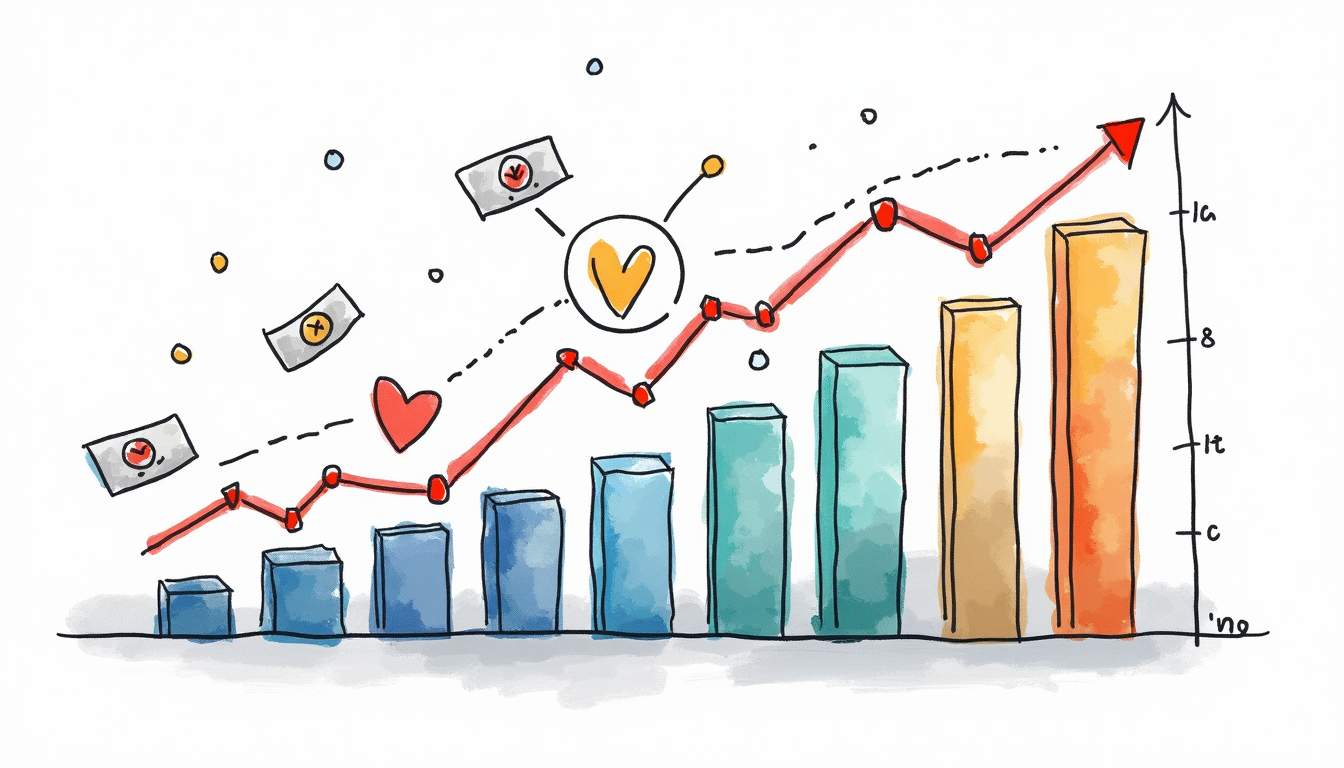
Donor retention is especially critical because retaining existing donors is five times more cost-effective than acquiring new ones. Predictive analytics helps identify donors who may be at risk of lapsing, enabling nonprofits to intervene with targeted messaging or special offers. In fact, 40% of nonprofits plan to use AI tools to spot at-risk constituents and improve retention rates, a strategy that can significantly boost long-term fundraising success. Furthermore, by segmenting donors based on their giving history and engagement levels, organizations can create tailored re-engagement campaigns that resonate deeply with each group, thereby fostering a stronger emotional connection and loyalty to the cause.
Forecasting Giving Patterns for Smarter Strategy
Accurate forecasting is essential for effective fundraising planning. Predictive analytics provides nonprofits with insights into when donors are most likely to give, how much they might contribute, and which campaigns will resonate best. This allows organizations to allocate resources more efficiently and design campaigns that align with donor motivations. By leveraging historical data, nonprofits can also identify seasonal trends, such as increased giving during holidays or specific events, enabling them to time their outreach efforts strategically.
Nonprofits using AI report a 30% increase in fundraising revenue over a 12-month period, underscoring the tangible benefits of data-driven decision-making. By anticipating donor behavior, nonprofits can avoid wasted efforts and focus on high-impact activities that drive results. Additionally, predictive models can be refined over time, continually improving accuracy and enabling organizations to adapt to changing donor preferences and economic conditions, ensuring that their strategies remain relevant and effective.
Enhancing Content and Communication
Beyond engagement and forecasting, AI is also revolutionizing content creation for fundraising. Approximately 28% of nonprofit marketers are utilizing generative AI to craft emails and other communications, leading to a 13% increase in click-through rates. This improvement demonstrates how predictive analytics combined with AI-generated content can make outreach more compelling and relevant. By analyzing past campaign performance, AI can suggest optimal subject lines, content formats, and even the best times to send messages, maximizing the chances of donor interaction.
Moreover, the integration of predictive analytics allows nonprofits to personalize their storytelling, tailoring narratives that resonate with specific donor demographics. For instance, by understanding which causes or projects have previously engaged particular donor segments, organizations can craft messages that highlight similar initiatives, thereby increasing emotional investment. This level of personalization not only enhances the effectiveness of communication but also fosters a sense of community among supporters, making them feel valued and understood in their philanthropic journey.
Practical Steps for Implementing Predictive Analytics in Fundraising
Invest in AI Training and Expertise
Technology alone is not enough. To fully harness the power of predictive analytics, nonprofits must invest in training their staff. Currently, 55% of nonprofits are dedicating resources to AI education, ensuring that team members understand how to interpret data insights and apply them effectively. Building internal expertise fosters a culture of innovation and empowers organizations to adapt quickly to changing donor landscapes. Furthermore, engaging in partnerships with educational institutions or tech companies can enhance training programs, providing staff with access to cutting-edge techniques and tools. Regular workshops and seminars can also help keep the team updated on the latest trends and best practices in AI and data analytics, ensuring that the organization remains competitive and informed.
Focus on Personalization and Donor-Centric Strategies
Personalization is at the heart of successful fundraising in the digital age. AI-powered tools can analyze vast amounts of donor data to predict giving patterns and preferences, enabling nonprofits to customize their outreach. Personalized communications not only increase donor satisfaction but also enhance the likelihood of repeat contributions, creating a virtuous cycle of engagement and support. Additionally, leveraging insights from social media interactions and online behavior can further refine these personalized strategies. By understanding how donors engage with content across various platforms, organizations can tailor their messaging and timing to align with donor interests, ultimately leading to stronger relationships and increased loyalty.
Monitor Performance and Adapt Continuously
Predictive analytics is not a set-it-and-forget-it solution. Nonprofits should regularly assess the performance of their AI-driven initiatives, using data to identify what works and where improvements are needed. This iterative approach helps organizations stay agile, refine their strategies, and maximize fundraising outcomes over time. Implementing a robust feedback loop is crucial in this process; soliciting input from donors about their experiences can provide invaluable insights that inform future campaigns. Moreover, utilizing A/B testing for different strategies can help pinpoint the most effective approaches, allowing organizations to allocate resources more efficiently and enhance overall impact.
Real-World Examples of AI-Driven Fundraising Success
Several nonprofits have already demonstrated the power of predictive analytics in action. For instance, organizations employing AI chatbots have seen improved donor engagement by providing instant responses to inquiries and guiding visitors through the donation process. This seamless interaction reduces friction and encourages giving.
Other nonprofits use predictive models to segment their donor base, identifying high-potential supporters and tailoring campaigns accordingly. By focusing efforts on these segments, organizations can increase conversion rates and deepen relationships with key donors.
Additionally, generative AI tools are helping fundraising teams craft more effective messaging, leading to higher open and click-through rates in email campaigns. This blend of technology and creativity is redefining how nonprofits communicate their missions and inspire generosity.
The Future of Fundraising: Embracing Data-Driven Innovation
As the nonprofit sector continues to evolve, embracing predictive analytics will be essential for organizations seeking to thrive. The ability to anticipate donor behavior, personalize outreach, and optimize resource allocation offers a competitive edge that can translate into greater mission impact.
Nonprofits that invest in AI technologies and cultivate data literacy among their teams will be better positioned to navigate the complexities of modern fundraising. By combining human passion with machine intelligence, these organizations can unlock new levels of donor engagement and financial sustainability.
For nonprofits ready to take the next step, resources such as Gitnux’s AI statistics for nonprofits and insights from Network Depot offer valuable guidance on current trends and best practices.
Conclusion
Predictive analytics is transforming nonprofit fundraising by providing actionable insights that drive smarter decision-making. From enhancing donor engagement and retention to forecasting giving patterns and improving content effectiveness, AI-powered tools are reshaping how nonprofits connect with supporters and secure vital funding.
By investing in AI training, focusing on personalized donor experiences, and continuously monitoring outcomes, nonprofits can harness predictive analytics to achieve greater fundraising success. As the sector embraces data-driven innovation, the potential to amplify impact and fulfill missions has never been greater.
Ready to take your nonprofit’s fundraising efforts to the next level with predictive analytics? BlueWing is here to help. As a specialized paid media management agency for nonprofits, we understand the importance of a robust digital presence. Our expertise in paid social media, search, and the Google Ad Grants program can help you create a sustainable growth engine that amplifies your impact. With weekly updates and a track record of outperforming industry benchmarks, we’re confident in our ability to support your mission. Contact us today to learn how we can help you harness the power of predictive analytics for fundraising success.