


Generation Alpha Philanthropy Trends: Shaping the Future of Giving

As the youngest generation steps into the spotlight, their impact on philanthropy is already becoming evident. Generation Alpha—those born from 2010 onwards—are growing up in an era defined by rapid technological advancement and heightened social consciousness. Despite their youth, they are poised to redefine how giving is approached, blending digital fluency with a deep commitment to social and environmental causes.
Understanding the philanthropic tendencies of Generation Alpha is crucial for nonprofits, charities, and social enterprises aiming to engage this emerging cohort effectively. This article explores the defining characteristics of Generation Alpha’s approach to philanthropy, current trends shaping their giving habits, and actionable strategies for organizations to connect with them meaningfully.
Who Is Generation Alpha and Why Do They Matter?
Generation Alpha follows Millennials and Generation Z, making them the first generation to be born entirely in the 21st century. Raised in a world saturated with smartphones, tablets, and instant connectivity, they are true digital natives. This technological immersion shapes not only how they communicate but also how they perceive and participate in philanthropy.
More than just tech-savvy, Generation Alpha exhibits a pronounced awareness of global challenges. Surveys show that over 60% of children in this group recognize the importance of environmental protection and social justice, indicating a strong intrinsic motivation to contribute positively to society. Their upbringing in an era of climate urgency, social movements, and global connectivity equips them with both the tools and the mindset to be impactful changemakers early on.
Moreover, the educational landscape for Generation Alpha is evolving rapidly, with many schools incorporating technology into their curricula in innovative ways. Virtual reality, artificial intelligence, and coding are becoming standard subjects, allowing these young learners to engage with complex concepts in a hands-on manner. This shift not only enhances their learning experience but also fosters critical thinking and problem-solving skills that are essential for addressing the multifaceted challenges of the future.
Additionally, Generation Alpha’s diverse backgrounds and experiences contribute to a more inclusive worldview. With many growing up in multicultural environments, they are more likely to embrace differences and advocate for equality. This generation’s emphasis on collaboration and empathy is reflected in their interactions, both online and offline, as they seek to build communities that support one another. As they continue to grow and develop, their unique perspectives will undoubtedly influence societal norms and values, paving the way for a more compassionate and equitable world.
Key Characteristics Influencing Generation Alpha’s Philanthropy
Digital Natives Driving New Modes of Giving
Generation Alpha’s comfort with digital platforms is unparalleled. Unlike previous generations who transitioned into digital giving, Alpha children are native users of online donation portals, mobile payment apps, and social media fundraising campaigns. This means that traditional fundraising methods like mailed checks or phone solicitations are less effective with this group.

Nonprofits need to meet Generation Alpha where they are—on platforms like TikTok, YouTube, and interactive apps—offering seamless, mobile-friendly donation experiences. The integration of technologies such as mobile wallets and digital payment systems is essential to convert their goodwill into tangible support. Furthermore, the rise of gamification in fundraising can engage this generation in a way that feels both fun and rewarding. By incorporating elements like challenges, rewards, and social sharing into fundraising campaigns, organizations can tap into the competitive spirit of Generation Alpha, encouraging them to not only donate but also to rally their peers around a cause.
Social and Environmental Awareness from an Early Age
Generation Alpha’s philanthropic interests are deeply rooted in sustainability and social equity. They are growing up amid conversations about climate change, racial justice, and economic inequality, which shapes their values and priorities. This generation does not see philanthropy as a passive act but as an active responsibility to advocate for fairness and environmental stewardship.
For nonprofits, this means aligning mission statements and campaigns with causes that resonate authentically with young donors. Transparent communication about how funds contribute to real-world impact is critical to maintaining their trust and enthusiasm. Additionally, Generation Alpha is more likely to support organizations that demonstrate a genuine commitment to diversity and inclusion, both within their own ranks and in the communities they serve. This expectation for accountability pushes nonprofits to not only focus on their charitable missions but also to reflect on their internal practices and policies, ensuring they embody the values they promote.
Engagement Through Interactive and Visual Content
Traditional text-heavy appeals are less likely to capture Generation Alpha’s attention. Instead, they respond strongly to interactive storytelling, immersive visuals, and hybrid experiences that combine virtual and in-person elements. Technologies like augmented reality (AR) and virtual reality (VR) can transport young donors to project sites or simulate the impact of their contributions, creating emotional connections that drive engagement.
By leveraging these tools, nonprofits can create compelling narratives that educate and inspire, making philanthropy a dynamic and participatory experience for Generation Alpha. Moreover, the use of influencers and relatable figures in their campaigns can further enhance engagement, as this generation often looks to social media personalities for guidance and inspiration. Collaborating with trusted voices who share the same values can amplify the reach of philanthropic messages, making them more relatable and impactful. As Generation Alpha continues to grow and evolve, nonprofits will need to stay ahead of trends in digital communication and engagement strategies to effectively capture their attention and support.
Emerging Philanthropic Trends Among Generation Alpha
Diversified and Technology-Driven Donation Channels
The ways Generation Alpha gives are evolving rapidly. Mobile giving, peer-to-peer social media fundraising, and online platforms dominate their philanthropic landscape. This shift requires nonprofits to innovate and simplify donation processes, ensuring they are intuitive and accessible across devices.
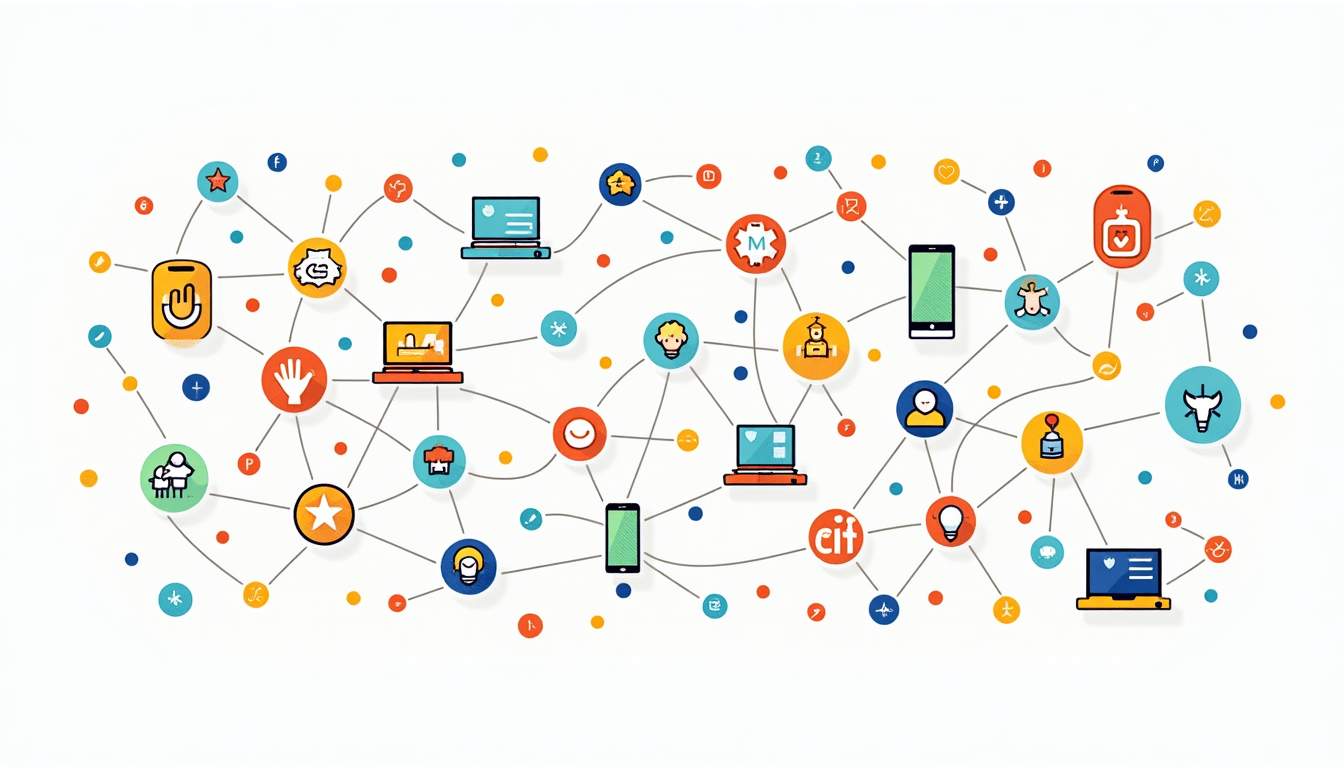
Additionally, artificial intelligence (AI) is becoming a powerful ally in personalizing donor engagement. AI can analyze preferences and predict funding needs, matching young donors with causes that align closely with their values. This tailored approach increases the likelihood of sustained involvement and generosity.
A Holistic Approach to Giving
Generation Alpha views philanthropy as multifaceted, encompassing not just financial donations but also volunteering, advocacy, and skill-sharing. Many young donors want to feel personally involved beyond writing a check—they seek meaningful ways to contribute their time, talents, and voices.
Nonprofits can capitalize on this trend by offering virtual volunteering opportunities, interactive advocacy campaigns, and skill-based projects that allow young people to engage according to their interests and abilities. This holistic involvement fosters a deeper connection to causes and cultivates lifelong philanthropic habits.
Demand for Transparency and Authenticity
Trust is paramount for Generation Alpha. They expect organizations to be transparent about how donations are used and the tangible outcomes achieved. Real-time tracking of contributions, impact dashboards, and open communication channels are no longer optional but essential to build credibility.
Nonprofits that prioritize authenticity and openness will stand out to this generation, encouraging ongoing support and advocacy. Sharing stories directly from beneficiaries and showcasing measurable results resonate strongly with young donors who value accountability.
Strategies for Nonprofits to Engage Generation Alpha Effectively
Adapt Communication to Digital and Visual Platforms
To capture Generation Alpha’s attention, nonprofits must embrace platforms where young people spend their time. TikTok and YouTube are powerful channels for sharing short, engaging videos that tell compelling stories. Content should be visually rich, concise, and aligned with the values that matter most to this generation.
Using influencers and peer ambassadors who reflect Generation Alpha’s diversity and interests can amplify reach and authenticity. Interactive polls, challenges, and live streams can also foster a sense of community and participation.
Offer Immersive and Interactive Experiences
Augmented reality (AR) and virtual reality (VR) technologies open exciting possibilities for immersive storytelling. Imagine a young donor virtually visiting a reforestation project or experiencing the daily life of a community benefiting from clean water initiatives. These experiences transform giving from a transactional act into a memorable journey.
Hybrid events that combine in-person and virtual elements can also engage families and schools, making philanthropy a shared and dynamic activity.
Foster Family and Educational Engagement
Philanthropy often begins at home. Encouraging family discussions about giving and setting up family giving circles can nurture a culture of generosity. Nonprofits should develop resources and programs that support parents and educators in introducing philanthropic concepts to children in age-appropriate ways.
Collaborations with schools to integrate service learning and real-world applications into curricula can deepen understanding and commitment. These early experiences lay the foundation for lifelong engagement.
Provide Leadership and Ownership Opportunities
Generation Alpha wants to be more than passive donors; they seek roles that empower them to lead and influence. Establishing youth advisory boards, mentorship programs, and leadership councils within nonprofits offers young people a platform to contribute ideas, shape initiatives, and develop skills.
Such involvement not only strengthens their connection to causes but also prepares them to become future leaders in the philanthropic sector.
Looking Ahead: The Future of Philanthropy with Generation Alpha
Generation Alpha’s unique blend of digital fluency, social consciousness, and desire for authentic engagement signals a transformative shift in philanthropy. As they mature, their influence will grow, shaping how causes are supported and how social change is pursued.

Nonprofits that recognize and adapt to these trends will be well-positioned to harness the energy and passion of this generation. By embracing technology, fostering transparency, and creating meaningful participation opportunities, organizations can build lasting relationships with Generation Alpha, ensuring a vibrant and impactful future for giving.
For those interested in exploring these dynamics further, insightful resources include Clove Research’s analysis of Generation Alpha, Charity Design’s insights on philanthropic potential, and Medium’s coverage of future giving trends.
As Generation Alpha shapes the future of philanthropy with their digital savvy and commitment to social causes, your nonprofit has the opportunity to connect with them in profound ways. BlueWing understands the importance of engaging this emerging generation through cutting-edge paid media strategies. Specializing in the management of paid social media and search campaigns, including the Google Ad Grants program, we’re here to help you create a powerful digital presence that resonates with young philanthropists. With our expertise and weekly updates, you’ll always be at the forefront of digital engagement. Ready to amplify your impact with Generation Alpha? Contact us today to learn how we can support your mission.