


Effective Millennial Donor Engagement Strategies for Nonprofits

Engaging Millennial donors has become a critical focus for nonprofits aiming to secure sustainable funding and build lasting relationships in 2025. This generation, born between 1981 and 1996, brings unique values and preferences that shape how they interact with charitable organizations. Understanding these nuances is key to crafting strategies that resonate authentically and inspire ongoing support.
Millennials prioritize transparency, community, and meaningful impact, and they expect nonprofits to meet them where they are—often online and on social media platforms. By integrating modern technology with personalized communication and fostering a sense of belonging, nonprofits can create powerful connections that encourage both one-time and recurring donations.
Harnessing the Power of Social Media for Fundraising
Social media has transformed the fundraising landscape, especially for younger donors. In 2025, an impressive 21% of donations are made directly through social media platforms, highlighting the channel’s growing importance for nonprofits. Millennials, alongside Gen Z, are particularly influenced by social content, with 24% of Millennials reporting that social media has motivated them to contribute.
To leverage this trend effectively, nonprofits should simplify the donation process on social media. Mobile-friendly features like “Donate” buttons on Facebook or Instagram fundraisers make giving effortless and immediate. Removing friction in the donation journey is crucial, as Millennials expect seamless digital experiences. Furthermore, incorporating engaging visuals and compelling storytelling can significantly enhance the appeal of fundraising campaigns. Eye-catching graphics, videos, and live streams can capture attention and convey the urgency of the cause, prompting users to act quickly and share the content with their networks.
Encouraging user-generated content is another powerful tactic. When supporters share their personal stories related to a cause, it adds authenticity and emotional depth that can inspire others to give. Additionally, collaborating with micro-influencers who align with the nonprofit’s mission can amplify reach and credibility, tapping into trusted networks for greater impact. This strategy not only broadens the audience but also fosters a sense of community among supporters, as they see their peers actively participating in the cause. By creating a shared narrative, nonprofits can cultivate a loyal base of advocates who feel personally connected to the mission.
For nonprofits looking to optimize their social media fundraising, focusing on ease, authenticity, and strategic partnerships is essential. This approach not only boosts donations but also strengthens community engagement around the cause. Moreover, utilizing analytics tools to track engagement and conversion rates can provide valuable insights into what resonates with the audience. By continuously refining their strategies based on data, organizations can enhance their outreach efforts, ensuring that each campaign is more effective than the last. As the digital landscape evolves, staying adaptable and innovative will be key to maintaining momentum in fundraising initiatives.
Building Stability with Recurring Giving Programs
Recurring donations have emerged as a cornerstone for financial stability in the nonprofit sector. Monthly giving now accounts for 31% of online revenue, underscoring its significance in sustaining programs and initiatives. Millennials appreciate the convenience and impact of recurring contributions, which allow them to support causes consistently without repeated effort.
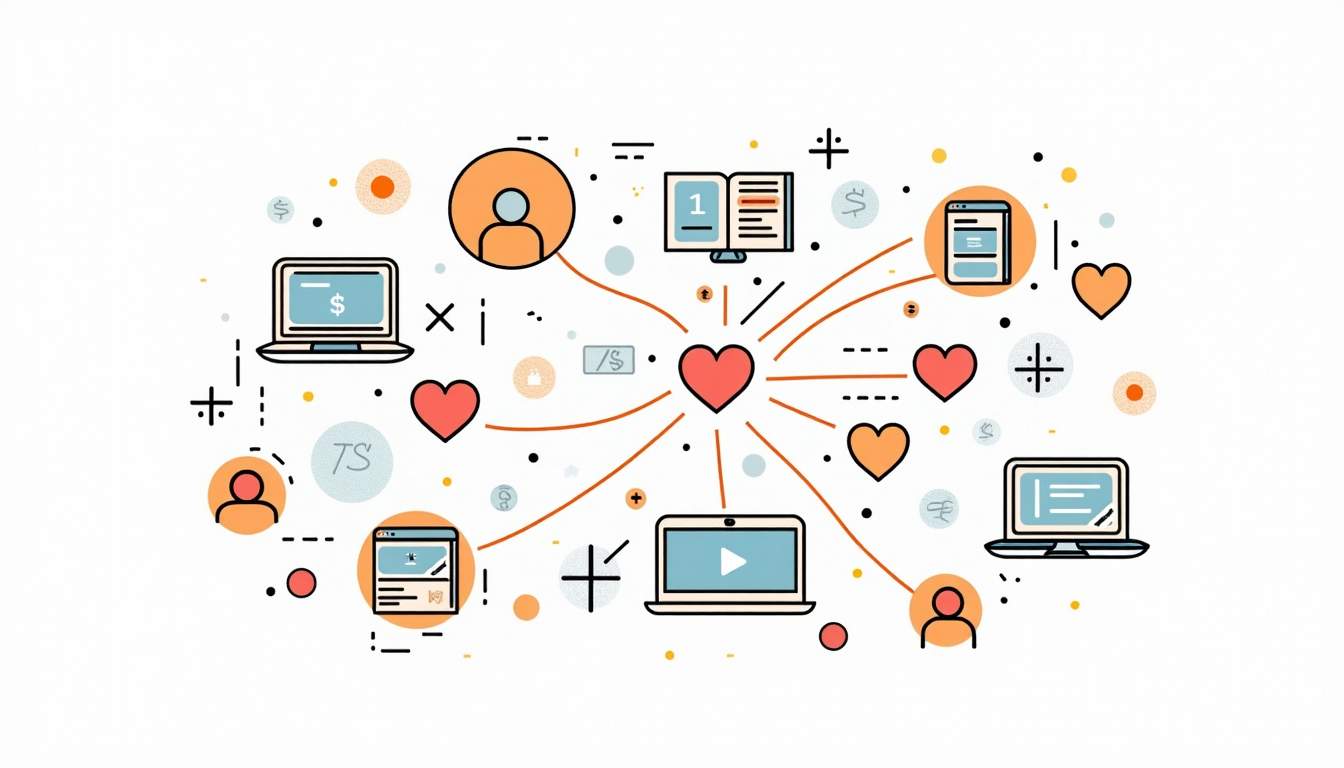
To attract and retain recurring donors, nonprofits should offer flexible giving options. Allowing donors to choose between monthly, quarterly, or annual contributions respects their financial preferences and encourages long-term commitment. Clear communication about how these regular donations translate into tangible outcomes is equally important. When donors understand the direct impact of their ongoing support, they feel more connected and motivated to continue giving.
Personalized appreciation also plays a vital role. Sending tailored thank-you messages and exclusive updates to recurring donors fosters a sense of recognition and belonging, reinforcing the relationship beyond the transaction.
Moreover, leveraging technology can enhance the recurring giving experience. Nonprofits can utilize automated systems to send reminders and updates, ensuring that donors remain engaged and informed about the impact of their contributions. Utilizing social media platforms to highlight stories of beneficiaries can also create a compelling narrative that resonates with donors, making them feel like active participants in the mission. Engaging content, such as videos or testimonials, can vividly illustrate how their support is making a difference, thereby deepening their emotional investment in the cause.
Additionally, implementing a tiered rewards system can incentivize donors to increase their contributions. By offering exclusive perks such as early access to events, behind-the-scenes content, or special recognition on the organization’s website, nonprofits can create a sense of community and exclusivity. This not only motivates current donors to maintain their giving levels but can also attract new supporters who are drawn to the idea of being part of a dedicated group making a significant impact together.
Transparency and Accountability: Building Trust with Millennials
Millennials are known for their desire for transparency and accountability from the organizations they support. They want to see exactly how their donations are used and what outcomes they help achieve. Nonprofits that provide clear, real-time updates and detailed reporting build trust and encourage continued engagement. This generation, often characterized by their digital savviness, expects instant access to information and prefers organizations that embrace technology to keep them informed. They are more likely to support causes that actively involve them in the narrative of change, allowing them to feel like integral parts of the mission.
Publishing comprehensive financial reports and impact summaries demonstrates responsible stewardship of funds. Many organizations now use technology such as real-time dashboards and storytelling platforms to showcase progress and results dynamically. This openness reassures donors that their contributions make a difference and that the nonprofit operates with integrity. Furthermore, by sharing stories of individuals or communities positively impacted by their work, nonprofits can create emotional connections that resonate deeply with Millennials. This storytelling approach not only highlights the effectiveness of their programs but also emphasizes the human element behind the statistics, making the cause more relatable and compelling.
By prioritizing transparency, nonprofits not only meet Millennials’ expectations but also differentiate themselves in a crowded charitable landscape where trust is paramount. Engaging with this demographic through social media and interactive platforms can further enhance their sense of involvement. Organizations that encourage feedback and foster dialogue about their initiatives can cultivate a loyal base of supporters who feel valued and heard. This two-way communication not only strengthens relationships but also empowers Millennials to advocate for the causes they care about, amplifying the nonprofit’s reach and impact.
Personalizing Donor Engagement for Deeper Connections
Generic communication no longer suffices in donor engagement, especially with Millennials who value personalized experiences. Data-driven strategies enable nonprofits to segment donor information based on interests, giving history, and engagement levels, allowing for highly targeted outreach.
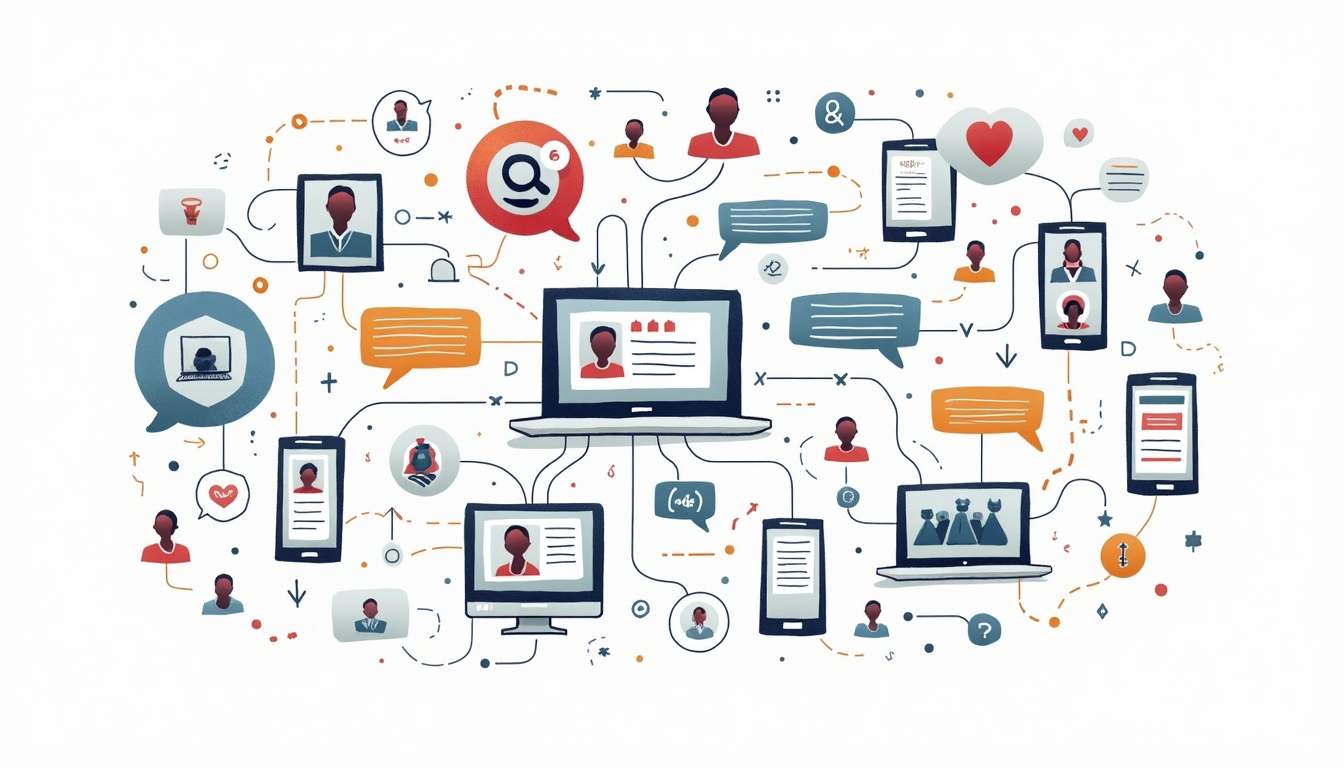
Customized emails, thank-you notes, and impact updates that reflect each donor’s preferences create a more meaningful dialogue. For example, a donor passionate about environmental causes will appreciate updates focused on sustainability projects, while another interested in education might prefer news about scholarship programs.
This tailored approach not only enhances donor satisfaction but also improves retention rates by making supporters feel seen and valued as individuals rather than just sources of funds. Moreover, utilizing donor feedback through surveys or direct conversations can further refine these personalized strategies. By actively listening to what donors want to hear about, organizations can adjust their messaging to align with the evolving interests of their supporters, fostering a sense of community and shared mission.
Additionally, leveraging technology such as CRM systems allows nonprofits to track interactions and preferences over time, ensuring that communications remain relevant and timely. For instance, if a donor has shown interest in attending events, personalized invitations to exclusive gatherings can be sent, making them feel like an integral part of the organization’s journey. This level of engagement not only strengthens the bond between donors and the nonprofit but also encourages word-of-mouth referrals, as satisfied donors are more likely to share their positive experiences with friends and family, potentially expanding the donor base.
Fostering Community and a Sense of Belonging
Millennials often seek more than just transactional relationships with nonprofits—they want to belong to a community that shares their values and passion. Creating opportunities for engagement beyond financial contributions can deepen these connections and inspire long-term loyalty.
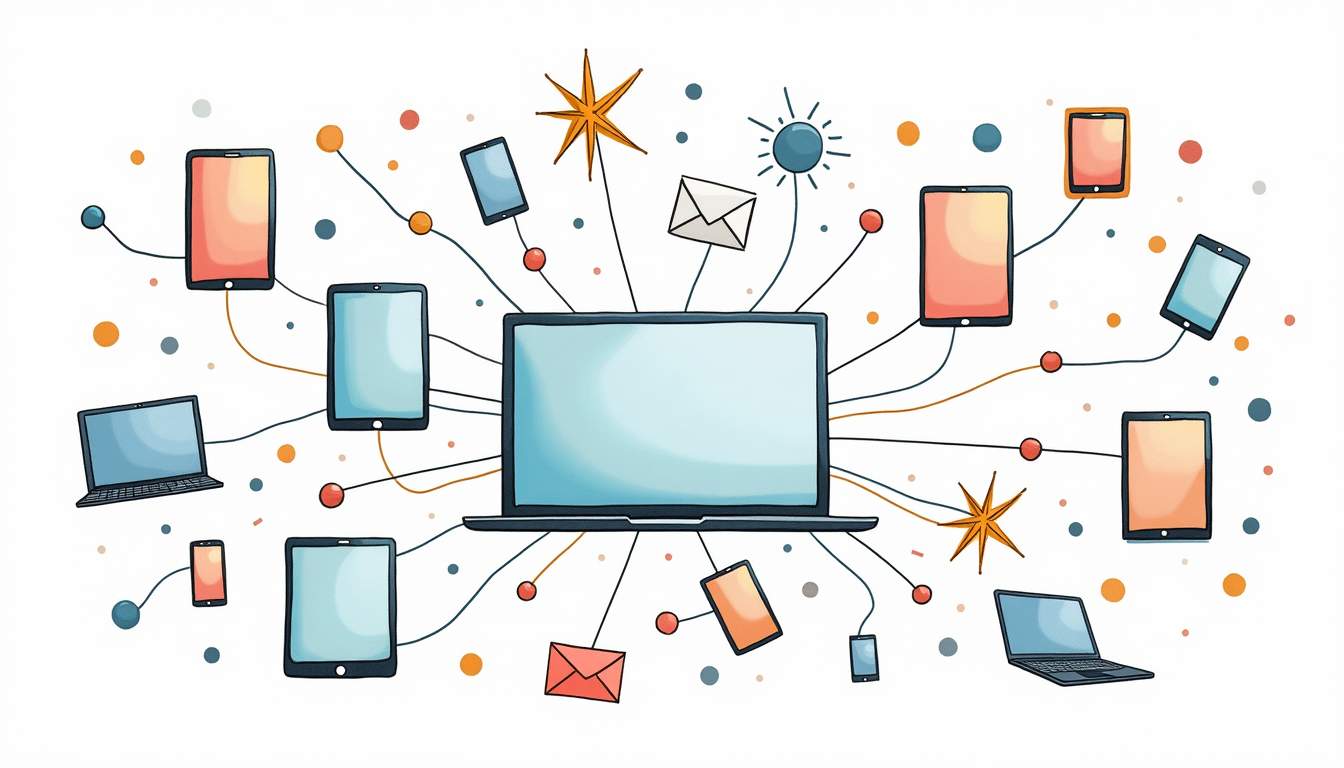
Hosting both virtual and in-person events allows donors to meet each other and the organization’s team, fostering personal connections that transcend monetary support. Online communities, such as social media groups or dedicated forums, provide spaces for ongoing discussion, updates, and shared experiences.
Additionally, offering volunteer opportunities enables Millennials to contribute their time and skills, further investing them in the cause. This multifaceted engagement strategy nurtures a vibrant, active supporter base that advocates for the nonprofit’s mission in diverse ways.
Embracing Technology and Innovation to Enhance Engagement
Technological advancements continue to shape how nonprofits connect with donors. In 2025, many organizations are adopting AI and data analytics to personalize donor experiences and improve fundraising efficiency. These tools help identify giving patterns, predict donor behavior, and tailor outreach efforts accordingly.
Accepting donations through various digital payment options, including mobile wallets and even cryptocurrency, meets Millennials’ expectations for convenience and innovation. A user-friendly website and mobile app further facilitate engagement by providing easy access to information, donation portals, and event registrations.
By integrating technology thoughtfully, nonprofits can streamline operations while delivering a modern, responsive experience that resonates with tech-savvy Millennial donors.
Conclusion
Successfully engaging Millennial donors in 2025 requires a strategic blend of authenticity, transparency, personalization, and technological innovation. Nonprofits that embrace social media fundraising, build recurring giving programs, and foster genuine community connections position themselves to thrive in an evolving philanthropic landscape.
By meeting Millennials where they are and aligning with their values, organizations can cultivate meaningful relationships that not only support immediate fundraising goals but also ensure sustained impact for years to come.
For nonprofits seeking to deepen their connection with Millennial donors, focusing on these proven strategies offers a roadmap to success in an increasingly competitive and digital world.
To explore more about the latest nonprofit trends and donor engagement techniques, visit Daxko’s nonprofit insights and Baldwin CPAs’ guide on engaging Millennial donors.
As you explore the strategies for engaging Millennial donors, remember that a robust digital presence is crucial for your nonprofit’s success. BlueWing is dedicated to helping organizations like yours harness the power of paid social media and search to reach and inspire this key demographic. With our expertise in managing paid media campaigns and maximizing the Google Ad Grants program, we’re equipped to help you build a sustainable growth engine. If you’re ready to outperform industry benchmarks and amplify your impact, Contact us at BlueWing for a partnership that will take your digital fundraising to the next level.