


Effective Donor Fatigue Prevention Strategies for Nonprofits

Donor fatigue is an increasingly pressing challenge for nonprofits worldwide. As organizations strive to maintain steady support amid growing demands and competition, many find their donor base becoming less responsive over time. This decline in engagement not only impacts fundraising outcomes but also threatens the sustainability of vital programs. Fortunately, by adopting thoughtful and strategic approaches, nonprofits can prevent donor fatigue and foster lasting relationships with their supporters.
Understanding Donor Fatigue and Its Impact
Donor fatigue occurs when supporters feel overwhelmed, disengaged, or undervalued, leading to decreased donations or complete withdrawal of support. This phenomenon often results from repetitive appeals, lack of meaningful communication, or unclear impact reporting. According to fundraising experts, retaining existing donors is significantly more cost-effective than acquiring new ones, making donor fatigue a critical issue to address for long-term success.
When donors grow weary, nonprofits risk losing not only financial contributions but also valuable advocacy and volunteerism. Therefore, recognizing the signs of fatigue and proactively implementing retention strategies is essential for sustaining mission-driven work.
One of the primary triggers of donor fatigue is the frequency and nature of communication. Donors appreciate being kept in the loop about how their contributions are making a difference, but constant requests for money without updates on the impact can lead to disillusionment. Nonprofits must balance their outreach efforts by providing engaging stories, testimonials, and data that showcase the positive changes their work is fostering. By doing so, they can foster a sense of partnership with their donors, making them feel integral to the mission rather than just a source of funds.
Additionally, personalization in communication can significantly mitigate donor fatigue. Tailoring messages to reflect the donor’s history, interests, and previous contributions can create a more meaningful connection. For instance, acknowledging a donor’s past support in specific projects or inviting them to exclusive events can enhance their sense of belonging and investment in the cause. By fostering a community where donors feel valued and recognized, nonprofits can not only retain their supporters but also inspire them to become advocates for the organization, further amplifying their impact.
Personalizing Communication to Build Stronger Connections
One of the most effective ways to combat donor fatigue is through personalized communication. Tailoring messages to reflect individual donor interests, giving history, and engagement preferences shows genuine appreciation and fosters a deeper connection. Nonprofits can leverage donor management software to segment their audience and automate personalized outreach, ensuring each supporter receives relevant and timely information.
For example, instead of generic mass emails, organizations might send tailored updates highlighting projects aligned with a donor’s previous contributions or invite them to events that match their areas of interest. This approach not only enhances engagement but also makes donors feel seen and valued, reducing the likelihood of disengagement.
Furthermore, incorporating personal stories and testimonials from beneficiaries can significantly enhance the impact of these communications. When donors hear how their contributions have made a tangible difference in someone’s life, it reinforces their commitment to the cause. Sharing success stories through newsletters or social media posts can create a narrative that resonates with donors, making them feel an integral part of the mission. Additionally, utilizing multimedia elements like videos or infographics can further engage supporters, providing a vivid portrayal of the organization’s work and the people it serves.
Another effective strategy is to recognize milestones in a donor’s journey, such as anniversaries of their first donation or significant contributions. Sending personalized thank-you notes or small tokens of appreciation on these occasions can strengthen the relationship and encourage continued support. This kind of thoughtful outreach not only acknowledges their generosity but also builds a sense of community and belonging, making donors more likely to remain engaged and invested in the organization’s future endeavors.
Simplifying the Donation Process for Convenience
Another key factor in preventing donor fatigue is making the donation process as seamless and convenient as possible. Complex or lengthy donation forms, limited payment options, or poor mobile compatibility can frustrate donors and discourage repeat giving. By offering intuitive donation forms, multiple payment methods—including credit cards, digital wallets, and bank transfers—and ensuring mobile-friendly interfaces, nonprofits can accommodate diverse donor preferences.
Streamlining the giving experience reduces barriers and encourages continued support. Additionally, promoting recurring donation options provides steady funding and convenience, allowing donors to contribute automatically without repeated effort.
Moreover, the integration of user-friendly features such as progress indicators during the donation process can significantly enhance the donor experience. By visually guiding donors through each step, organizations can alleviate any uncertainties and foster a sense of accomplishment once the donation is completed. Furthermore, incorporating social proof elements, such as testimonials or donor impact stories, can inspire confidence and motivate potential donors by showcasing the tangible outcomes of their contributions.
Another innovative approach is to leverage technology by utilizing text-to-give options or QR codes that link directly to donation pages. This not only simplifies the process but also caters to the increasingly tech-savvy donor base. By making donations as accessible as sending a text or scanning a code, nonprofits can tap into spontaneous giving opportunities, particularly during events or campaigns where immediate support is crucial. Such strategies not only enhance convenience but also create a more engaging and interactive giving experience, ultimately leading to stronger donor relationships and increased funding for vital causes.
Building Trust Through Transparency and Accountability
Trust is the cornerstone of donor relationships. Nonprofits that openly share how funds are used, the outcomes of their programs, and the impact achieved instill confidence in their supporters. Transparency can be demonstrated through detailed financial reports, success stories, and impact metrics published regularly on websites or in newsletters. By providing a clear narrative around their financial health and programmatic successes, organizations can create a compelling story that resonates with potential and current donors alike. This narrative not only highlights the organization’s achievements but also humanizes the cause, allowing donors to connect on a personal level with the mission being supported.
Engaging in third-party evaluations or obtaining certifications further enhances credibility, reassuring donors that their contributions are managed responsibly. When donors understand the tangible difference their support makes, they are more likely to stay committed and avoid fatigue. Additionally, featuring testimonials from beneficiaries can significantly amplify this effect; hearing directly from those who have benefited from the organization’s work can create a powerful emotional connection. Regular updates, such as newsletters or social media posts, that showcase ongoing projects and share stories of individuals impacted by the nonprofit’s efforts can keep donors engaged and informed, reinforcing their belief in the organization’s mission and the importance of their contributions.
Engaging Donors with Education and Community Events
Providing opportunities for donors to learn more about the organization’s mission and connect with beneficiaries or staff deepens their emotional investment. Hosting workshops, webinars, or panel discussions allows supporters to see firsthand the challenges being addressed and the lives transformed through their generosity.
These engagement events foster a sense of community and shared purpose, which can reinvigorate donor enthusiasm. Moreover, interactive formats encourage dialogue and feedback, making donors active participants rather than passive contributors.
Leveraging Data Analytics for Targeted Engagement
Data analytics is a powerful tool for understanding donor behavior and preferences. By monitoring metrics such as retention rates, giving patterns, and engagement levels, nonprofits can identify trends and tailor their strategies accordingly. For instance, analytics might reveal which communication channels are most effective or which donor segments require additional attention.

This data-driven approach enables organizations to optimize their outreach, personalize appeals, and allocate resources efficiently. Ultimately, it helps prevent donor fatigue by ensuring that supporters receive relevant, meaningful interactions rather than generic or excessive solicitations.
Recognizing and Appreciating Donors Meaningfully
Donor recognition is more than a courtesy—it’s a vital component of retention. Expressing gratitude through personalized thank-you notes, public acknowledgments, or small tokens of appreciation reinforces positive behavior and strengthens loyalty. When donors feel genuinely valued, they develop a stronger emotional connection to the organization’s mission.
Creative recognition strategies, such as featuring donors in newsletters or inviting them to exclusive events, can also enhance their sense of belonging. These gestures demonstrate that every contribution matters, helping to sustain long-term engagement and prevent fatigue.
Maintaining Consistent Yet Balanced Communication
Regular communication keeps donors informed and connected, but striking the right balance is crucial. Overloading supporters with frequent appeals or irrelevant updates can lead to disengagement. Conversely, infrequent contact risks losing donor interest altogether.
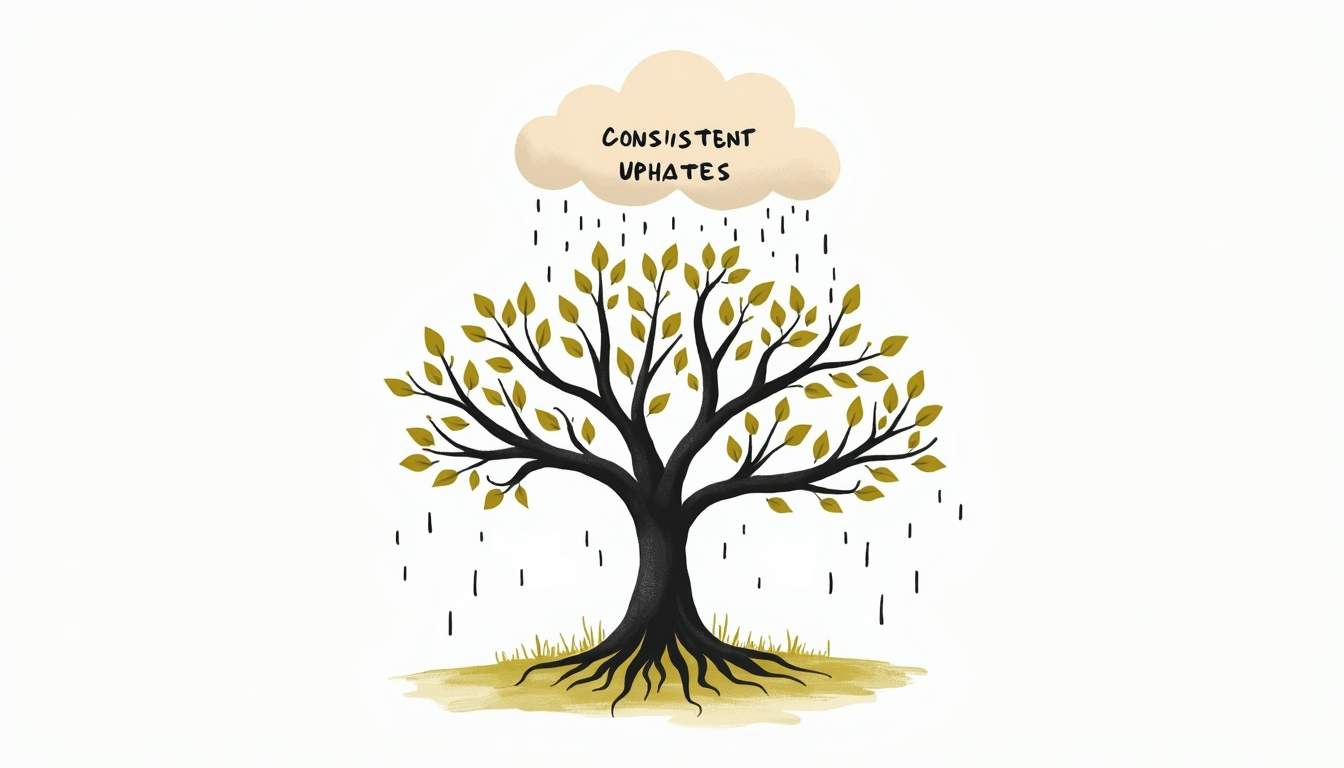
Nonprofits should aim for consistent, relevant updates that highlight successes, challenges, and upcoming opportunities without overwhelming the audience. Segmenting communication based on donor preferences and engagement history helps tailor frequency and content, ensuring messages resonate effectively.
Conclusion
Donor fatigue is a complex challenge, but with intentional strategies, nonprofits can nurture enduring relationships that sustain their missions. Personalizing communication, simplifying the donation process, maintaining transparency, engaging donors through education, leveraging data analytics, recognizing contributions, and balancing communication frequency all play critical roles in preventing fatigue.

By embracing these approaches, organizations not only safeguard their funding streams but also build vibrant communities of committed supporters. In an era where donor attention is a precious resource, investing in thoughtful retention strategies is essential for lasting impact.
For further insights on donor retention and engagement strategies, explore resources from NextGen Fundraising, Better World, and Funds for NGOs.
As you explore the strategies to combat donor fatigue and strengthen your nonprofit’s relationship with supporters, remember that a robust digital presence is key to sustainable growth. BlueWing is here to help you harness the power of paid social media and search to amplify your impact. With our expertise in managing paid media campaigns, including the Google Ad Grants program, we provide weekly updates and performance that exceeds industry benchmarks. Contact us today to build a sustainable growth engine for your organization.