


Donor Portal Best Practices for Nonprofits: A Comprehensive Guide

In today’s digital age, donor portals have become essential tools for nonprofits aiming to cultivate lasting relationships with supporters and streamline fundraising efforts. A well-designed donor portal not only simplifies the giving process but also fosters trust, encourages recurring donations, and provides valuable insights into donor behavior. This comprehensive guide explores the best practices that nonprofits should adopt to create effective, user-friendly donor portals that maximize engagement and donations.
Prioritize Mobile Optimization for Seamless Giving
With over 55% of digital donations in 2025 coming from mobile devices, optimizing your donor portal for mobile users is no longer optional—it’s critical. Donors expect a smooth, intuitive experience whether they are using a smartphone, tablet, or desktop. Nonprofits that have focused on mobile-friendly donation pages have seen bounce rates drop by nearly half, demonstrating how crucial it is to cater to mobile users’ needs.
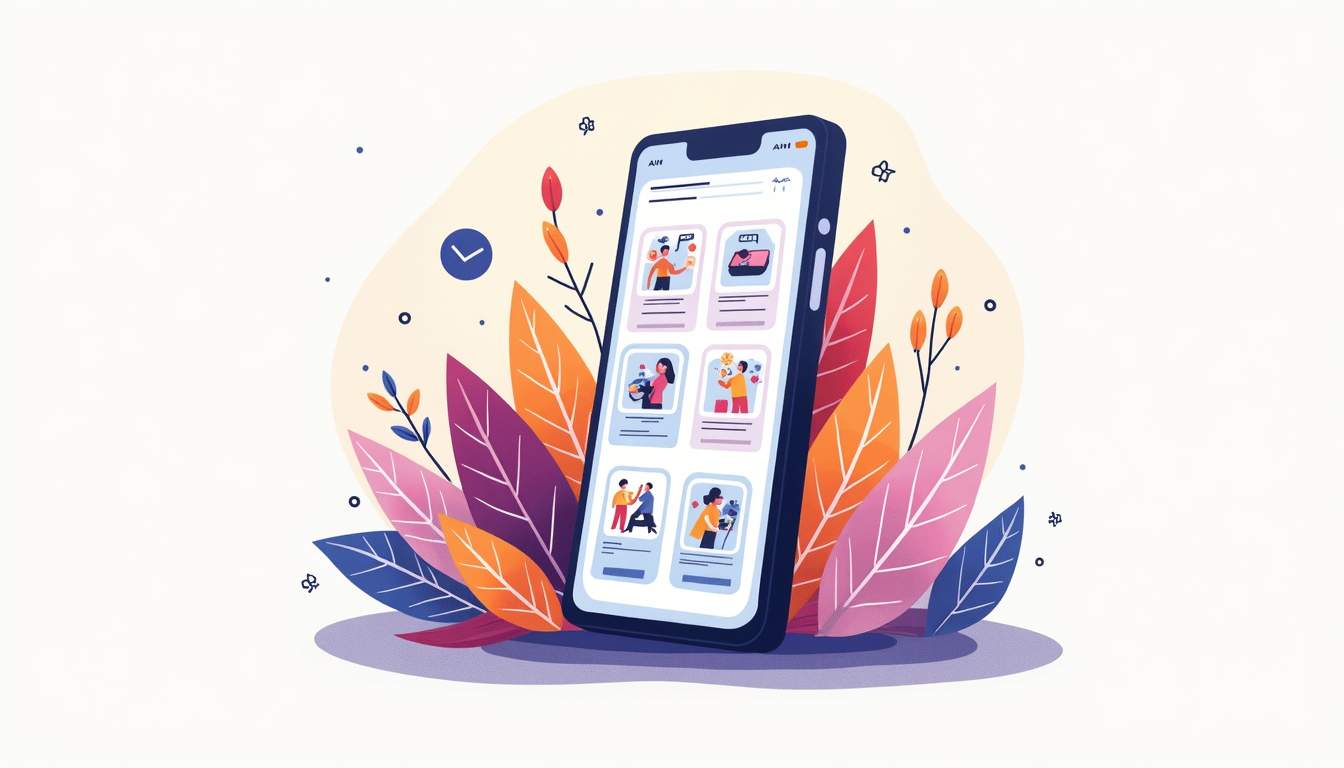
Mobile optimization goes beyond just resizing the page. It requires simplifying navigation, ensuring fast load times, and designing donation forms that are easy to complete on smaller screens. A responsive design that adapts fluidly to various devices will keep donors engaged and reduce frustration, increasing the likelihood of completed donations.
Key Mobile Features to Implement
Effective mobile donor portals include:
- Large, easy-to-tap buttons and form fields
- Minimal scrolling and clear progress indicators
- Auto-fill options for returning donors
- Secure payment gateways optimized for mobile wallets
By investing in mobile-first design, nonprofits can capture a growing segment of donors who prefer to give on the go, making the donation process as effortless as possible.
In addition to these features, integrating social sharing options can amplify your reach significantly. When donors can easily share their contributions on social media platforms, it not only raises awareness for your cause but also encourages their network to participate. This organic promotion can lead to a ripple effect, where one donation inspires multiple others, ultimately increasing your fundraising potential. Furthermore, consider incorporating personalized messaging that resonates with mobile users, such as tailored thank-you notes or updates on the impact of their contributions, which can be sent via push notifications or SMS. This level of engagement fosters a sense of community and connection, encouraging repeat donations and long-term support.
Another essential aspect of mobile optimization is the use of analytics to track donor behavior. By monitoring how users interact with your mobile portal, you can identify areas for improvement and tailor the experience to better meet their needs. Understanding which features are most utilized or where users tend to drop off can inform future updates and enhancements, ensuring that your donor portal remains user-friendly and effective. As mobile technology continues to evolve, staying ahead of trends and adapting your strategies accordingly will be key to maintaining donor engagement and maximizing contributions.
Simplify the Donation Process to Boost Completion Rates
When it comes to online giving, simplicity is key. Lengthy or complicated donation forms can deter potential donors, leading to abandoned transactions. Research shows that donation forms with fewer fields increase completion rates by 30-40%, underscoring the importance of streamlining the process.
Nonprofits should focus on collecting only essential information during the initial donation, such as name, email, and payment details. Additional data can be gathered later through follow-up communications or account creation options. This approach minimizes friction and respects donors’ time. By ensuring that the donation process is quick and straightforward, organizations can create a more inviting atmosphere that encourages generosity and fosters a sense of community among supporters.
Offer Multiple Payment Options
Another critical aspect of simplifying the donation process is providing diverse payment methods. Donors have varied preferences, and offering options like credit/debit cards, PayPal, and digital wallets (Apple Pay, Google Pay) can significantly enhance convenience and accessibility.
Providing multiple payment options not only caters to donor preferences but also reduces barriers related to payment security concerns or technical limitations. This inclusivity can lead to higher donation volumes and improved donor satisfaction. Furthermore, integrating modern payment technologies, such as one-click donations or recurring payment setups, can streamline the experience even further. By making it easier for donors to contribute regularly, nonprofits can cultivate long-term relationships and ensure a steady flow of support that can be crucial for ongoing projects and initiatives.
Encourage Recurring Donations to Strengthen Donor Relationships
Recurring donation programs are powerful tools for nonprofits seeking sustainable funding. Monthly donations accounted for 31% of online fundraising in 2024, up from 27% in 2023, indicating a growing trend toward ongoing support. This increase reflects a shift in donor behavior, with many individuals recognizing the value of consistent contributions that help organizations plan and execute their missions effectively. As donors become more aware of the impact their regular support can have, they are more likely to engage in long-term commitments that foster a deeper relationship with the nonprofit.
Encouraging donors to commit to regular contributions benefits both parties: nonprofits gain predictable revenue streams, while donors feel more connected to the cause through continuous involvement. Additionally, acquiring new donors is five times more expensive than retaining existing ones, making recurring giving a cost-effective strategy to boost donor lifetime value. By cultivating a sense of community and shared purpose, nonprofits can create a loyal base of supporters who are invested in the organization’s success and are likely to advocate for it within their networks.
How to Promote Recurring Giving
To maximize recurring donations, nonprofits should:
- Highlight the impact of sustained support in messaging
- Make recurring options clearly visible and easy to select during checkout
- Offer flexible giving amounts and frequencies
- Send timely reminders and appreciation messages to recurring donors
Automated systems that manage recurring payments and communications can simplify administration and enhance donor experience. Furthermore, sharing stories of how recurring donations have made a difference can inspire potential donors to join in. For instance, showcasing specific projects funded by monthly contributions or featuring testimonials from beneficiaries can create a compelling narrative that resonates with prospective supporters. Engaging donors through personalized communication and updates on the impact of their contributions can also reinforce their commitment and encourage them to remain active in the organization’s mission.
In addition, consider implementing a tiered recognition program for recurring donors. By acknowledging their commitment through exclusive updates, special events, or even small tokens of appreciation, nonprofits can strengthen the bond with their supporters. This not only enhances the donor experience but also encourages others to consider the benefits of becoming a recurring donor. As organizations continue to innovate their approaches to donor engagement, fostering a culture of recurring giving will undoubtedly play a crucial role in ensuring long-term sustainability and success.
Leverage Personalization and Data to Deepen Engagement
Personalized communication is a cornerstone of effective donor engagement. Emails with personalized subject lines achieve 26% higher open rates and 41% higher click-through rates, proving that tailoring outreach to individual donors drives better results.
Nonprofits can harness data analytics, AI, and machine learning to gain insights into donor preferences, giving patterns, and engagement levels. This data-driven approach enables targeted campaigns, personalized thank-you messages, and relevant impact updates that resonate with donors.
Utilizing Data Responsibly
While data offers tremendous opportunities, it’s vital to respect donor privacy and comply with regulations. Transparency about data usage and providing donors with control over their information builds trust and fosters long-term loyalty.
Integrating donor portals with Customer Relationship Management (CRM) systems facilitates seamless data flow, offering a comprehensive view of donor interactions and enabling automated, personalized communications that keep supporters informed and appreciated.
Build Trust Through Transparency and Impact Reporting
Donor trust is fundamental to sustaining support. Studies show that 81% of donors are more likely to give again when they receive clear reporting on how their funds are used. Transparent communication about financial stewardship and program outcomes reassures donors that their contributions make a real difference.
Including compelling impact stories on your donor portal and website can further motivate donors by illustrating the tangible effects of their generosity. Sharing testimonials, project updates, and success metrics helps donors feel connected and valued.
Best Practices for Impact Reporting
Effective impact reporting should be:
- Clear and concise, avoiding jargon
- Visual, using photos, videos, and infographics
- Regularly updated to maintain ongoing engagement
- Accessible through multiple channels, including the donor portal and email newsletters
By prioritizing transparency, nonprofits can strengthen donor confidence and encourage repeat giving.
Ensure Accessibility and Security for All Donors
Accessibility is often overlooked but is essential for inclusive donor engagement. Nearly 97% of nonprofit homepages are not fully accessible to users with disabilities, highlighting a significant gap. Designing donor portals that comply with accessibility standards ensures that everyone, regardless of ability, can contribute easily.
Security is equally important. Approximately 68% of nonprofits have implemented SSL certificates to secure online transactions, protecting donor data and building trust. Secure portals with visible security badges reassure donors that their information is safe.
Key Accessibility and Security Measures
- Follow Web Content Accessibility Guidelines (WCAG) for design and content
- Use clear fonts, sufficient color contrast, and keyboard navigation support
- Implement SSL encryption and secure payment gateways
- Regularly update software to protect against vulnerabilities
By prioritizing accessibility and security, nonprofits demonstrate respect for all donors and safeguard their reputation.
Integrate Donor Portals with Management Systems for Efficiency
Integrating donor portals with CRM and donor management systems creates a seamless experience for both nonprofits and donors. This integration allows for real-time data synchronization, comprehensive donor profiles, and automated workflows that reduce manual effort.
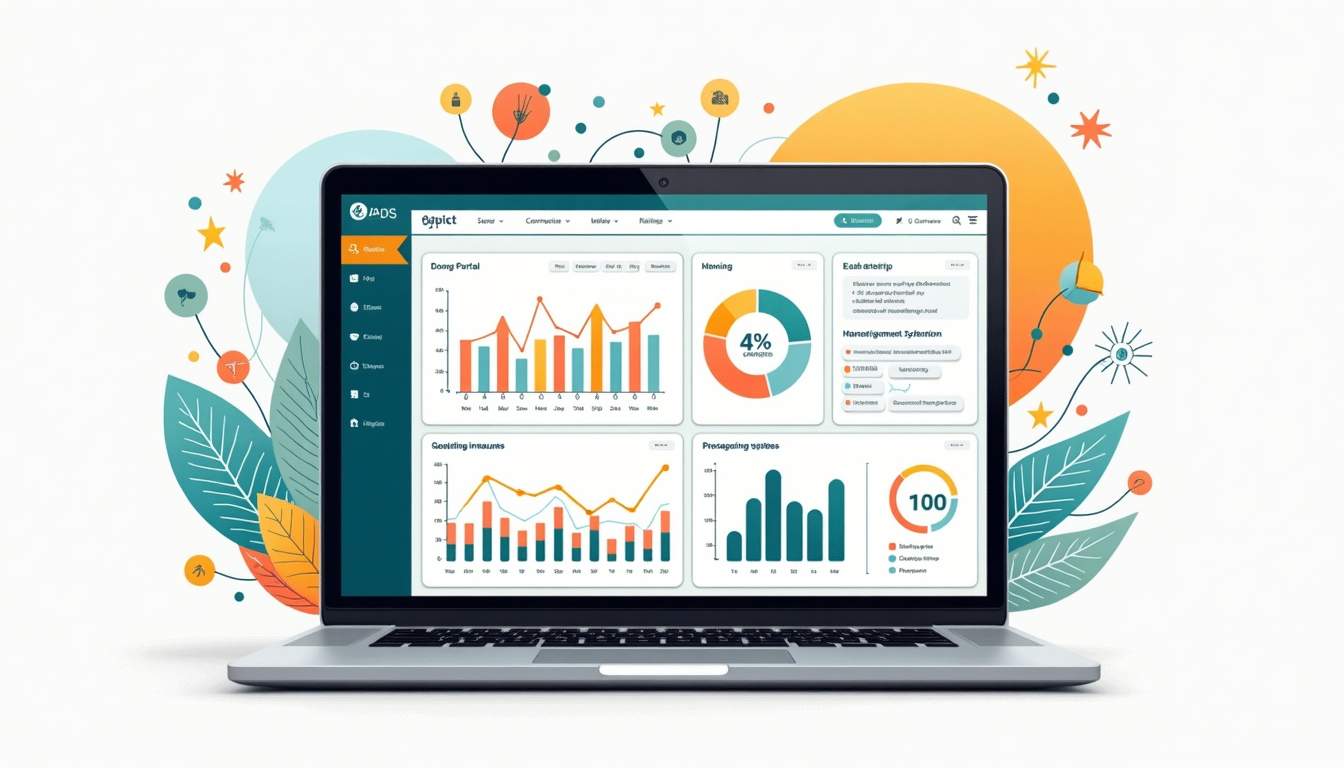
Automated engagement features such as personalized thank-you emails, donation receipts, and impact updates enhance donor satisfaction and retention. These systems also provide valuable analytics that inform fundraising strategies and improve donor outreach.
Benefits of Integration
- Improved data accuracy and reduced duplication
- Enhanced donor segmentation and targeting
- Streamlined communication and reporting
- Better tracking of donor journeys and giving history
Choosing donor management software that supports integration with your portal ensures a cohesive fundraising ecosystem that maximizes efficiency and donor engagement.
Conclusion
Creating an effective donor portal requires a thoughtful blend of user-centric design, technological integration, and strategic communication. By prioritizing mobile optimization, simplifying the donation process, encouraging recurring gifts, leveraging personalization, maintaining transparency, ensuring accessibility and security, and integrating with management systems, nonprofits can build portals that not only attract donations but also foster meaningful, long-term relationships with supporters.
Investing in these best practices will empower nonprofits to adapt to evolving donor expectations, increase fundraising success, and ultimately, amplify their impact in the communities they serve.
For more insights on optimizing your nonprofit’s digital fundraising efforts, visit NonprofitPoint’s Online Giving Trends 2025 and Payroc’s Best Practices for Digital Giving.
Ready to take your nonprofit’s digital fundraising to new heights? BlueWing is here to help you harness the power of paid social media and search to elevate your donor portal experience. With our expertise in the Google Ad Grants program and a commitment to sustainable growth, we’ll ensure your organization stands out in a crowded digital landscape. Contact us today to learn how we can help you outperform industry benchmarks and amplify your impact.