

In today’s digital age, nonprofit organizations have a unique opportunity to connect, engage, and mobilize supporters through online platforms. Discord, originally designed for gamers, has rapidly evolved into a versatile community hub that nonprofits can leverage to build vibrant, interactive communities. This comprehensive guide explores how nonprofits can strategically create and nurture strong communities on Discord to amplify their mission and foster meaningful connections.
Why Discord Is a Powerful Platform for Nonprofits
Discord offers a blend of real-time communication, customizable server structures, and community-driven features that make it ideal for nonprofit engagement. Unlike traditional social media platforms, Discord allows for segmented conversations through channels, voice and video interaction, and robust moderation tools. This flexibility helps nonprofits create tailored spaces for supporters, volunteers, and stakeholders to collaborate and share information.
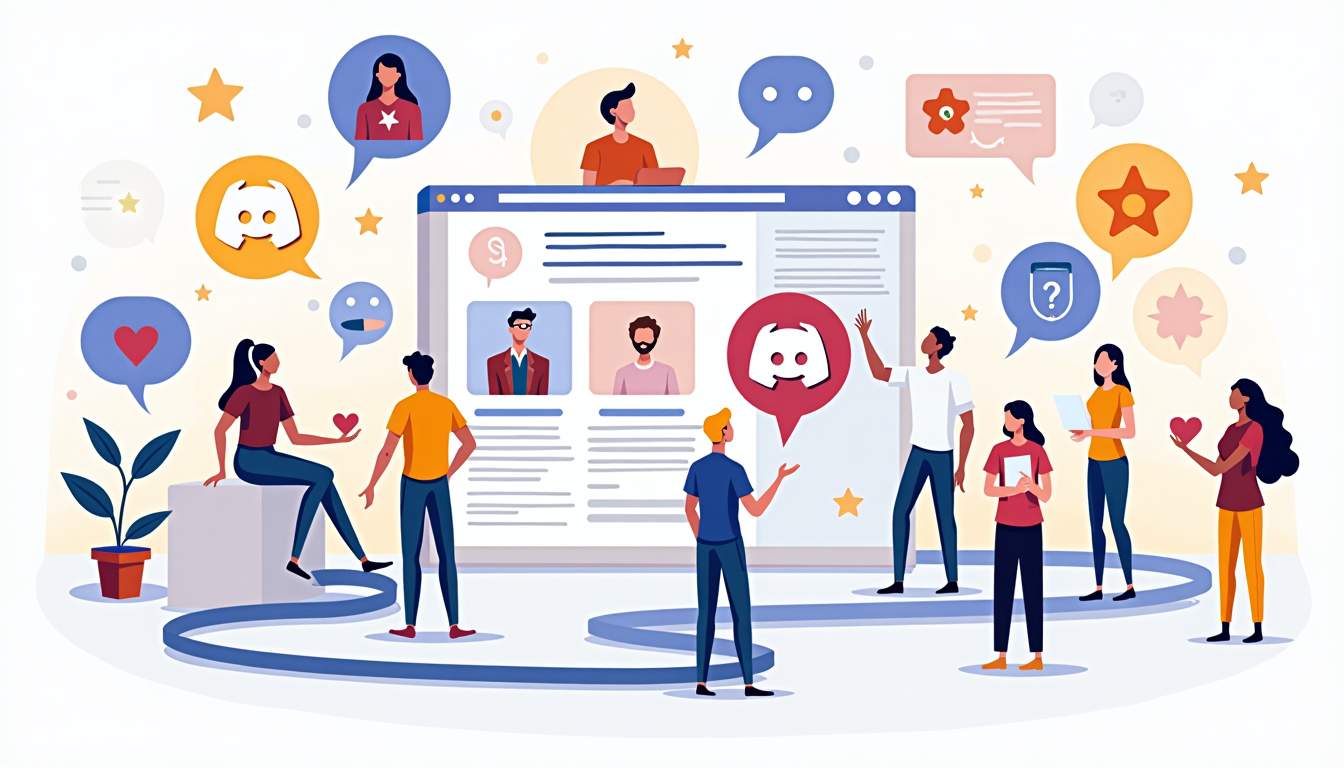
Moreover, Discord’s low barrier to entry and free access make it accessible to organizations of all sizes. Its growing popularity among younger demographics also positions nonprofits to engage with tech-savvy audiences who are passionate about social causes.
Additionally, Discord’s integration capabilities with various bots and applications can further enhance the user experience. Nonprofits can utilize bots for automated responses, event scheduling, and even fundraising campaigns, streamlining operations and allowing staff and volunteers to focus on mission-driven activities. The ability to host events such as virtual town halls, workshops, or Q&A sessions in real-time fosters a sense of community and belonging, encouraging deeper engagement from participants.
Furthermore, the platform’s emphasis on community building is evident through its features like roles and permissions, which allow nonprofits to create a hierarchy within their servers. This can help in organizing teams based on specific projects or initiatives, ensuring that everyone has access to the information they need while maintaining a sense of order. The interactive nature of Discord also encourages feedback and dialogue, enabling nonprofits to adapt their strategies based on the needs and suggestions of their community members, ultimately leading to more effective outreach and impact.
Designing an Organized and User-Friendly Server Structure
A well-organized Discord server is the foundation of a thriving nonprofit community. Clear navigation and purposeful channels reduce confusion and encourage participation. Experts recommend keeping the number of core channels under 25 to maintain user retention and avoid overwhelming members.
Essential Channel Categories
Start by dividing your server into logical sections based on user intent. For example:
- Start Here: Include rules, roles, and FAQs. This helps new members understand community expectations and how to get involved.
- Official News: Dedicated channels for announcements and updates keep members informed about your nonprofit’s latest initiatives.
- Community: General chat spaces and regional lounges encourage social interaction, fostering a sense of belonging.
- Contributors: Channels for volunteer opportunities, project updates, and collaboration invite active participation.
By thoughtfully grouping channels, nonprofits can create a welcoming environment that guides users naturally through the community experience. This structure also simplifies moderation and content management. Additionally, consider implementing a feedback channel where members can voice their suggestions or concerns. This not only empowers your community but also helps you continuously improve the server’s functionality and user experience.
Another vital aspect of a user-friendly server is the use of bots to automate tasks and enhance engagement. Bots can facilitate welcome messages for newcomers, provide reminders for upcoming events, or even host fun games that encourage interaction among members. By leveraging technology, nonprofits can streamline operations and ensure that members feel connected and informed, ultimately leading to a more vibrant and active community.
Fostering a Welcoming and Inclusive Environment
Community growth hinges on creating a safe space where members feel valued and respected. Clear guidelines outlining acceptable behavior are essential to prevent conflicts and promote positive interactions. These rules should be easily accessible, concise, and aligned with your nonprofit’s values. Regularly revisiting and updating these guidelines ensures they remain relevant and reflective of the community’s evolving needs, fostering a sense of ownership among members.
Appointing moderators who embody your mission and demonstrate empathy helps maintain a supportive atmosphere. Involving active community members as moderators can strengthen trust, as they often understand the community’s pulse and can address issues swiftly. Training these moderators in conflict resolution and active listening techniques further empowers them to handle sensitive situations effectively, ensuring that all voices are heard and respected.
Inclusivity also means accommodating diverse voices and backgrounds. Encourage respectful dialogue and celebrate different perspectives to enrich the community experience. A welcoming environment not only attracts new members but also retains them over time. Hosting regular events, such as workshops or discussion panels, can provide opportunities for members to share their experiences and insights, fostering deeper connections and understanding among participants. Additionally, creating resource-sharing initiatives can empower members to contribute their unique skills and knowledge, reinforcing the idea that everyone has something valuable to offer.
Moreover, leveraging technology can enhance inclusivity by providing various platforms for engagement. Online forums, social media groups, and virtual meetups can help bridge gaps for those who may not be able to participate in person. By utilizing these tools, your nonprofit can reach a broader audience and ensure that everyone, regardless of their circumstances, has the chance to contribute to the community. Regularly soliciting feedback from members about their experiences and suggestions for improvement can also demonstrate a commitment to continuous growth and adaptation, further solidifying a culture of inclusivity.
Providing Valuable and Relevant Content
Consistently sharing high-quality content is key to keeping your nonprofit community engaged. Content should align with your mission and provide tangible value to members. This can include:
- Educational resources and industry insights related to your cause
- Updates on ongoing projects and impact stories
- Tips and tools for volunteers and supporters
Regularly posting relevant content encourages members to return and participate in discussions. It also positions your nonprofit as a trusted source of information, enhancing credibility. By showcasing the real-world impact of your initiatives, you can inspire members and potential supporters to get involved, whether through donations, volunteering, or spreading the word about your mission. Highlighting success stories not only celebrates the efforts of your team and volunteers but also illustrates the tangible outcomes of their contributions.
Moreover, consider incorporating testimonials from beneficiaries or volunteers, as personal stories can resonate deeply with your audience. Sharing these narratives can create a sense of community and belonging, making members feel more connected to your cause. Additionally, leveraging social media platforms to share snippets of your content can help reach a broader audience, inviting new members to engage with your nonprofit and its mission.
Balancing Content Types
Mixing different content formats—such as articles, videos, infographics, and live sessions—caters to varied learning preferences. For example, hosting a monthly webinar or Q&A session can deepen engagement by allowing members to interact directly with your team or guest experts. These live interactions not only provide an opportunity for real-time feedback but also foster a sense of community among participants, as they can share their experiences and insights.
Additionally, consider creating visually appealing infographics that summarize key statistics or findings related to your cause. Infographics can be particularly effective in conveying complex information in a digestible format, making it easier for your audience to understand and share. By diversifying your content strategy and ensuring that it remains dynamic, you can keep your community engaged and informed, ultimately driving greater support for your nonprofit’s mission.
Hosting Regular Events and Activities
Events are powerful tools to energize your community and build stronger relationships. Whether it’s a virtual workshop, a panel discussion, or a casual hangout, scheduled activities provide opportunities for real-time interaction and collaboration.
Regular events keep the momentum going and give members something to look forward to. They also create natural entry points for new members to get involved and feel connected.
Consider varying the format and timing of events to accommodate different time zones and interests. Recording sessions and sharing highlights afterward can extend their reach and impact.
Encouraging Member Participation and Leadership
Empowering community members to contribute actively transforms passive followers into passionate advocates. Encourage members to start discussions, share knowledge, and collaborate on projects. Recognizing contributions publicly—through shoutouts, special roles, or rewards—motivates ongoing involvement.
Offering leadership opportunities, such as volunteer moderators or event hosts, helps build a sense of ownership and responsibility. When members feel invested in the community’s success, they are more likely to remain engaged and invite others to join.
Leveraging Automation Tools for Efficient Management
Managing a growing Discord community can be time-consuming. Automation tools can streamline routine tasks, allowing your team to focus on strategic engagement. Common uses include:
- Welcoming new members with personalized messages
- Scheduling announcements and content posts
- Automating moderation to filter spam or inappropriate content
Popular bots and integrations can be customized to fit your nonprofit’s needs, ensuring a smooth and professional community experience without overwhelming your staff or volunteers.
Collaborating with Other Communities and Influencers
Expanding your reach through partnerships can accelerate community growth. Collaborate with other Discord servers, nonprofits, or influencers aligned with your mission. Joint events, cross-promotion, and shared content create mutual benefits and expose your nonprofit to new audiences.
These collaborations also foster a sense of solidarity within the broader nonprofit ecosystem, opening doors for resource sharing and collective impact.
Monitoring Engagement and Gathering Feedback
Continuous improvement relies on understanding your community’s evolving needs. Use Discord’s analytics and member feedback to track engagement levels, popular topics, and potential pain points.
Surveys, polls, and open feedback channels encourage members to share their opinions and suggestions. Acting on this input demonstrates that your nonprofit values its community, strengthening trust and loyalty.
Conclusion
Building a strong nonprofit community on Discord requires intentional design, active engagement, and ongoing care. By creating an organized server, fostering inclusivity, delivering valuable content, and encouraging participation, nonprofits can cultivate vibrant spaces that amplify their mission.
Integrating automation tools, partnering with like-minded communities, and continuously monitoring engagement ensure your Discord server remains dynamic and responsive. With these strategies, nonprofits can harness the full potential of Discord to inspire action, deepen connections, and drive meaningful change.
For further insights on managing Discord communities effectively, resources such as nas.io’s community management guide and Growett’s best practices for online community growth are excellent starting points.
As you harness the power of Discord to build a strong nonprofit community, remember that a robust digital presence extends beyond engagement platforms. BlueWing is dedicated to elevating your nonprofit’s impact through expert paid media management. We understand the intricacies of paid social media and search, including the Google Ad Grants program, to ensure your message reaches the right audience. Our hands-on approach and weekly updates keep you informed every step of the way. With over 8 years of experience surpassing M+R industry benchmarks, we’re here to help you create a sustainable growth engine. Ready to amplify your nonprofit’s digital presence? Contact us today and let’s make a difference together.


