


Blockchain Transparent Fundraising: Revolutionizing Trust and Accountability

In an era where trust is paramount, especially in charitable giving and fundraising, blockchain technology is emerging as a game-changer. By offering unprecedented levels of transparency and accountability, blockchain is reshaping how donors and organizations interact, ensuring that every contribution is traceable, secure, and impactful. This article explores how blockchain is revolutionizing fundraising, the innovative tools it introduces, and the promising future it holds for philanthropy worldwide.
The Transparency Challenge in Traditional Fundraising
For decades, one of the biggest hurdles in fundraising has been maintaining donor trust. Many donors hesitate to contribute because of concerns about how their money will be used. Stories of mismanagement, fraud, or inefficient allocation of funds have often cast shadows over charitable organizations, leading to skepticism and reduced donations.
Traditional fundraising methods rely heavily on trust in intermediaries and manual reporting, which can be prone to errors or manipulation. This lack of transparency can discourage potential donors and limit the growth of philanthropic initiatives. Enter blockchain technology—a solution designed to address these challenges head-on.
Blockchain offers a decentralized ledger that records transactions in a secure and immutable manner, providing a transparent view of how donations are allocated and spent. Each transaction can be traced back to its origin, allowing donors to see exactly where their contributions are going. This level of transparency not only fosters trust but also empowers donors to make informed decisions about their philanthropic efforts. Furthermore, with smart contracts, organizations can automate the distribution of funds based on predefined criteria, ensuring that money is released only when specific goals are met, thereby minimizing the risk of mismanagement.
Moreover, the integration of blockchain technology can enhance donor engagement by providing real-time updates on projects funded by their contributions. Imagine a donor receiving notifications about the impact of their donation, complete with data and stories of beneficiaries. This can create a more personal connection between donors and the causes they support, transforming the fundraising landscape into a more interactive and rewarding experience. As the nonprofit sector continues to evolve, embracing such innovative technologies may not only restore trust but also attract a new generation of donors who value transparency and accountability in their charitable giving.
How Blockchain Enhances Fundraising Transparency
Real-Time Donation Tracking
One of the most compelling features blockchain brings to fundraising is the ability for donors to track their contributions in real-time. Unlike traditional systems where donors wait for periodic updates, blockchain platforms provide an immutable ledger that records every transaction as it happens.
This real-time tracking ensures that funds are used exactly as intended. For example, donors can see when their money moves from the initial donation to the actual deployment in projects or aid distribution. This level of visibility fosters greater trust and encourages ongoing support, as donors feel more connected and confident about their impact. Organizations like UNICEF have capitalized on this by creating cryptocurrency funds that allow donors to follow their contributions transparently throughout the donation lifecycle. Furthermore, this capability can also encourage a sense of community among donors, as they can share their experiences and insights about the projects they are supporting, creating a network of engaged individuals who are committed to making a difference.
Immutable Transaction Records
Blockchain’s core strength lies in its immutability—once a transaction is recorded, it cannot be altered or deleted. This characteristic is crucial for fundraising because it prevents fraud and mismanagement. Every donation, transfer, and expenditure is permanently documented on a decentralized ledger accessible to all stakeholders.
Such permanent records provide an audit trail that can be independently verified, eliminating doubts about fund diversion or misuse. This feature not only reassures donors but also helps organizations maintain compliance with regulatory standards and internal governance policies. Moreover, the transparency afforded by immutable records can serve as a powerful marketing tool for organizations. By showcasing their commitment to accountability, they can attract more donors who prioritize ethical practices and transparency in their charitable contributions, ultimately leading to increased funding and support for their missions.
Smart Contracts for Automated Fund Distribution
Smart contracts are self-executing agreements programmed on the blockchain that automatically enforce terms when predefined conditions are met. In fundraising, these contracts can automate the release of funds to beneficiaries, reducing administrative delays and human error.
For instance, a disaster relief campaign might use a smart contract that disburses funds only after a verified NGO uploads proof of supply delivery. This automation ensures that donations are allocated efficiently and transparently, with clear conditions governing each transaction. It also minimizes overhead costs, allowing more resources to reach those in need. Additionally, smart contracts can be programmed to include various contingencies, such as reallocating funds if certain milestones are not met, ensuring that the project stays on track and that donors remain informed about the progress of their contributions. This level of sophistication not only enhances operational efficiency but also reinforces the accountability of organizations, making them more attractive to potential donors who seek assurance that their contributions will be utilized effectively and responsibly.
Innovative Mechanisms Boosting Donor Confidence
Proof-of-Reserves (PoR) Mechanisms
Proof-of-Reserves mechanisms have gained traction as a way to verify that digital assets backing fundraising efforts are fully secured. By demonstrating that funds are adequately backed by tangible reserves, PoR enhances credibility and compliance, especially in blockchain projects dealing with cryptocurrencies.

This mechanism reassures donors and regulators that the organization holds sufficient assets to cover all liabilities, reducing concerns about insolvency or misappropriation. As blockchain fundraising matures, PoR is becoming a critical tool for establishing financial integrity. Furthermore, the transparency afforded by PoR allows donors to independently verify the health of the organization’s finances, fostering a culture of trust and accountability. This is particularly important in an era where financial mismanagement can lead to significant reputational damage and loss of donor support.
Additionally, the implementation of PoR can also serve as a competitive differentiator for organizations in the crowded fundraising landscape. By adopting these mechanisms, organizations can position themselves as leaders in transparency and trustworthiness, attracting more donors who prioritize ethical and responsible investment practices. As the demand for accountability increases, PoR may evolve to include more sophisticated auditing processes, further enhancing its effectiveness and appeal.
Integration with Stablecoins
Cryptocurrency volatility has been a barrier to widespread adoption in fundraising. Stablecoins—cryptocurrencies pegged to stable assets like the US dollar—address this challenge by providing price stability while retaining blockchain’s benefits.
Integrating stablecoins into blockchain-based crowdfunding platforms ensures seamless fund management without the risk of sudden value fluctuations. This stability enhances donor confidence, making it easier for organizations to plan and allocate resources effectively. Moreover, the use of stablecoins can simplify the donation process, allowing donors to contribute in a currency that they are familiar with, thereby broadening the appeal of cryptocurrency fundraising to a wider audience.
In addition, stablecoins can facilitate cross-border donations, significantly reducing transaction costs and delays associated with traditional banking systems. This opens up new avenues for fundraising, enabling organizations to tap into global donor bases without the constraints of currency exchange rates or international transfer fees. As more organizations embrace stablecoins, we may see an increase in innovative fundraising strategies that leverage this technology, leading to a more dynamic and inclusive fundraising ecosystem.
Real-World Applications: Blockchain in Humanitarian Aid
UNICEF’s Cryptocurrency Fund
UNICEF’s pioneering approach to blockchain fundraising involves accepting and distributing cryptocurrency donations transparently. Since its inception, the fund has processed over $30 million in cryptocurrency donations, supporting numerous humanitarian technology projects across multiple continents.
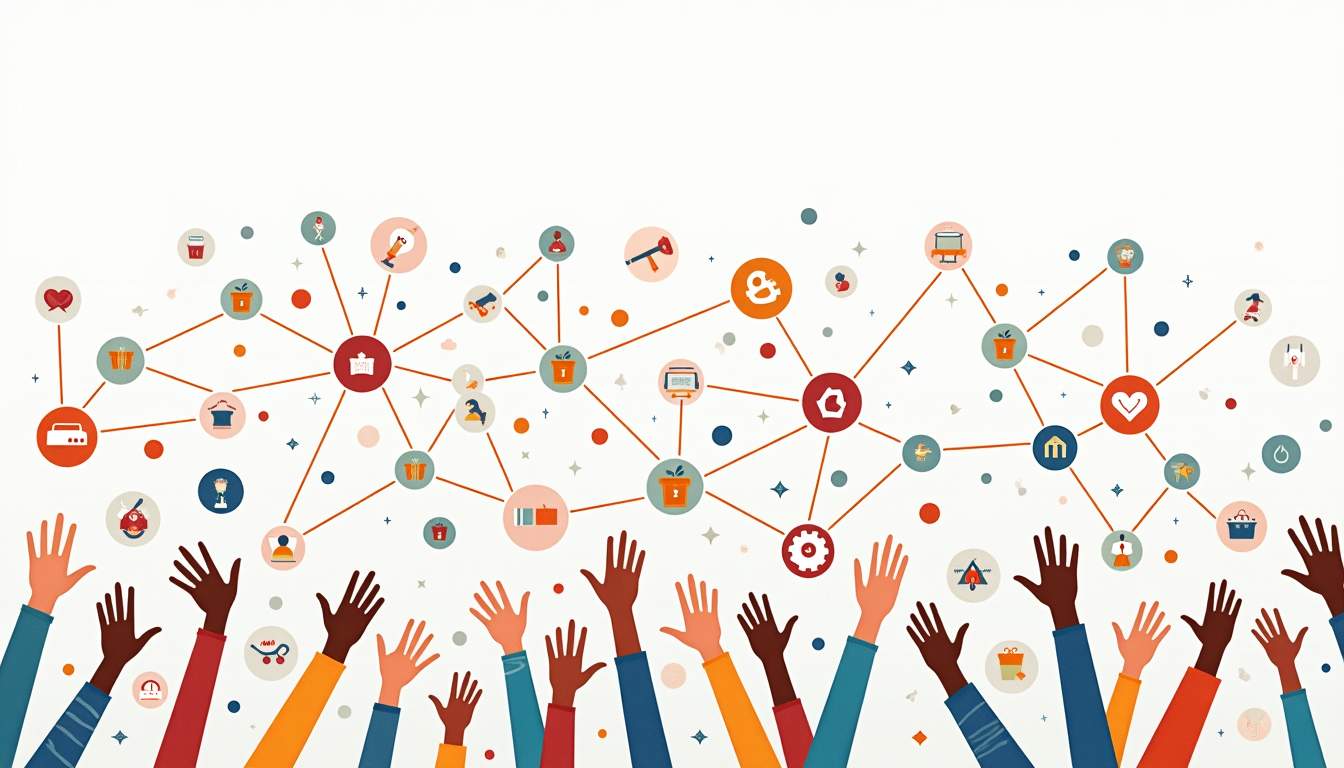
Donors can track their contributions from receipt through to final impact, ensuring that funds are used as promised. This model exemplifies how blockchain can build trust at scale, encouraging more donors to participate in global aid efforts.
World Food Programme’s Building Blocks Project
The World Food Programme (WFP) implemented blockchain technology in its Building Blocks project to provide food assistance to Syrian refugees in Jordan. By recording every transaction on a blockchain, the WFP ensured transparency and significantly reduced fraud and duplication.
This initiative not only improved operational efficiency but also gave donors and stakeholders confidence that aid reached the intended recipients. The success of Building Blocks highlights blockchain’s potential to transform humanitarian assistance by enhancing accountability.
Emerging Trends Shaping the Future of Blockchain Fundraising
Decentralized Autonomous Organizations (DAOs)
DAOs are reshaping collective giving by enabling donors to participate directly in funding decisions through blockchain-based voting mechanisms. By eliminating traditional hierarchies, DAOs foster a more democratic and transparent approach to philanthropy.
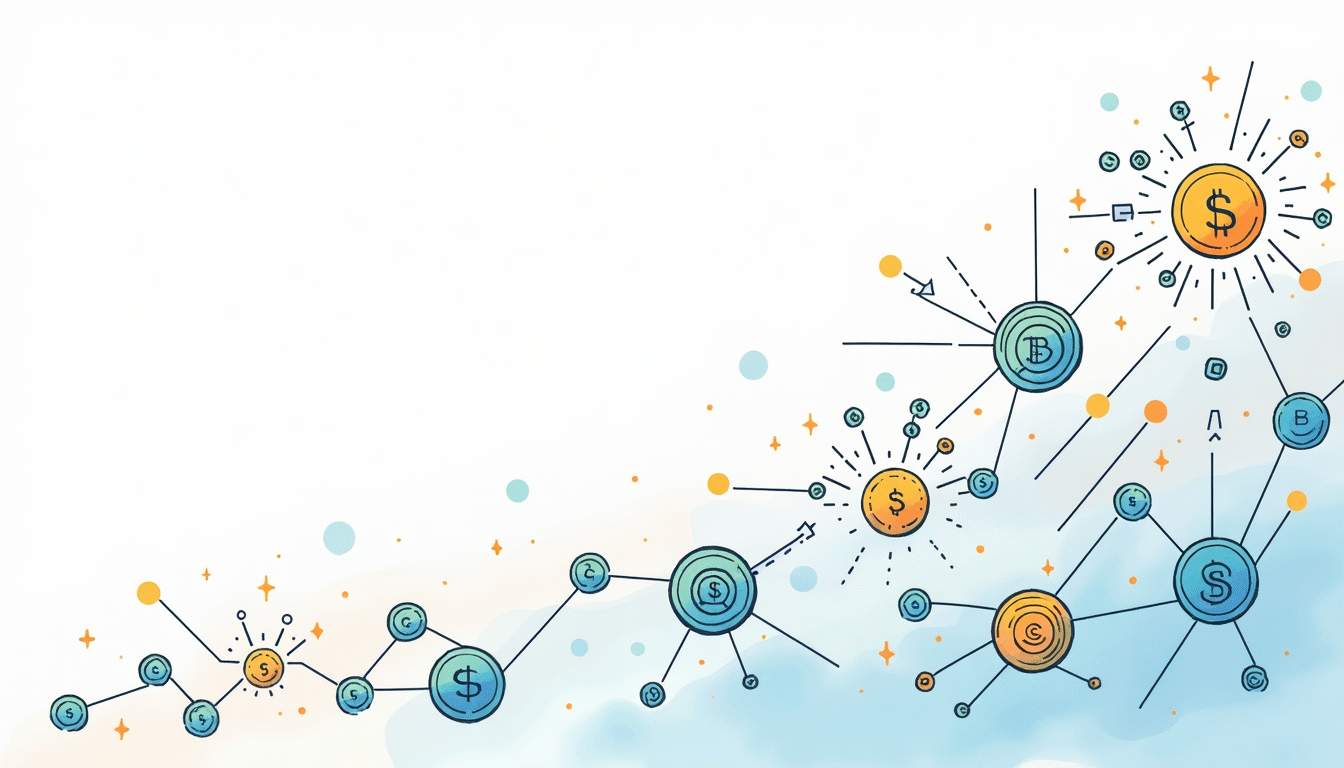
Donors can propose projects, vote on fund allocation, and monitor outcomes—all within a decentralized framework. This model empowers communities and increases engagement, potentially transforming how charitable organizations operate in the future.
Integration with AI, IoT, and Big Data
Combining blockchain with emerging technologies like artificial intelligence (AI), the Internet of Things (IoT), and big data analytics is creating smarter philanthropic systems. These integrations enhance transparency by providing real-time data insights, predictive analytics, and automated reporting.
For example, IoT devices can verify the delivery of aid supplies, while AI can analyze donor behavior to optimize fundraising strategies. Together, these technologies make fundraising more responsive, efficient, and accountable.
Conclusion: Building a More Trustworthy Fundraising Ecosystem
Blockchain technology is revolutionizing fundraising by addressing long-standing challenges of trust and transparency. Through real-time tracking, immutable records, smart contracts, and innovative mechanisms like Proof-of-Reserves and stablecoins, blockchain empowers donors and organizations alike.
Real-world applications in humanitarian aid demonstrate blockchain’s practical benefits, while emerging trends such as DAOs and AI integration promise to further enhance the philanthropic landscape. As more organizations adopt blockchain, donors can expect greater confidence that their contributions are making a meaningful difference.
For those interested in exploring blockchain’s impact on fundraising further, resources like Blockchain Secure Tech, LeadCrafts Media, and Cointelegraph’s coverage on blockchain charity provide in-depth insights.
Ultimately, blockchain’s transparent fundraising capabilities are not just a technological advancement—they represent a fundamental shift toward a more trustworthy and accountable philanthropic future.
As you consider the transformative power of blockchain for transparent fundraising, remember that a strong digital presence is crucial for maximizing your impact. BlueWing is dedicated to helping nonprofits like yours harness the power of paid social media and search to elevate your message. Our expertise with the Google Ad Grants program and our commitment to sustainable growth for organizations that make a difference set us apart. Let us help you amplify your impact with our comprehensive paid media management services. Contact us today to learn how we can support your mission and take your fundraising efforts to the next level.